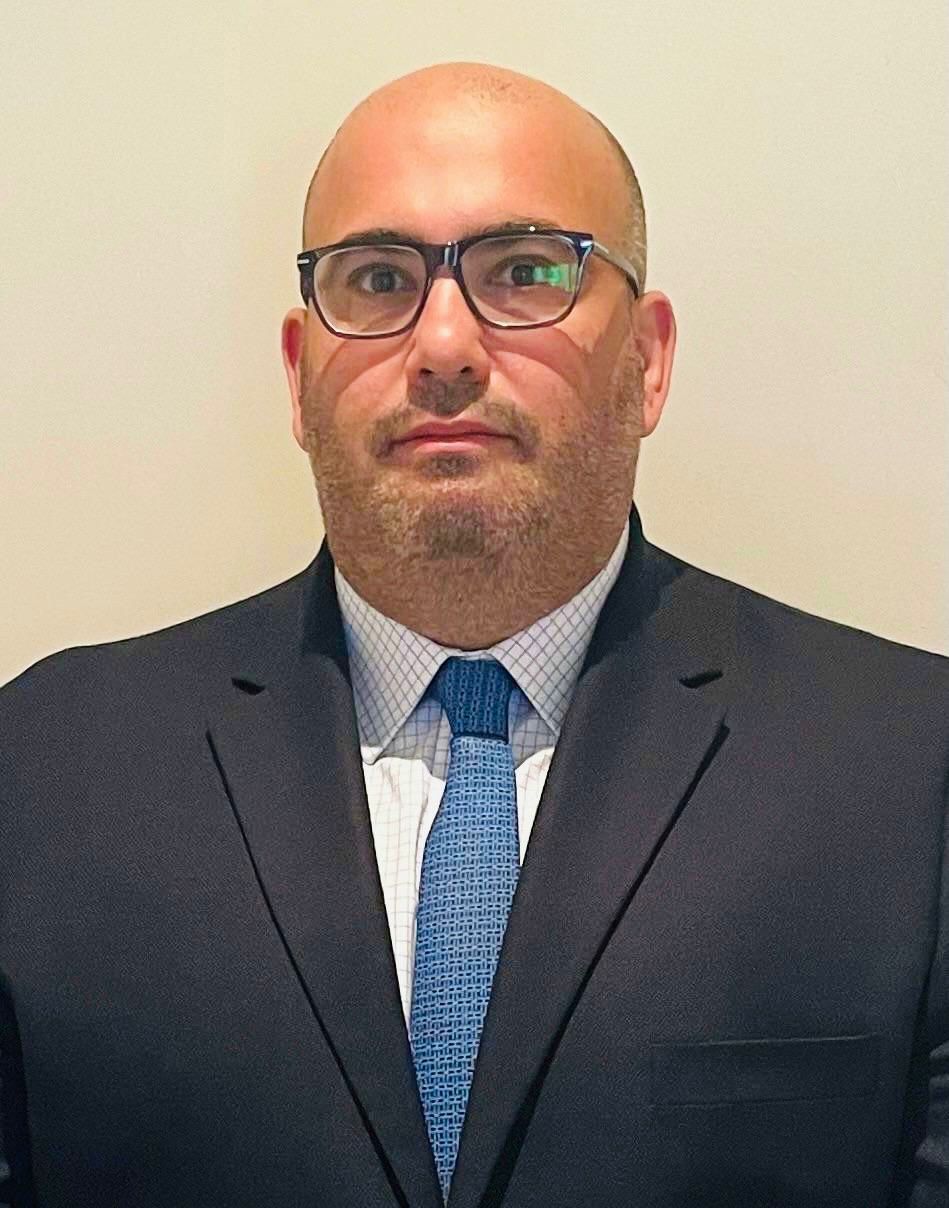

On October 15, the Council of Ministers approved Mohammad Hazimeh as governor of Nabatieh. Within days, reports surfaced that he was 33, even though Law 53/2026 sets 35 as the minimum age for appointments from outside the civil service to first-category posts. Questions then arose about his academic credentials. On October 21, Hazimeh declined the post, stating he had gone through every stage of the selection process, including the formal interviews, and that no one had ever raised the age requirement with him.
In other words, the chosen candidate applied, was shortlisted, was interviewed, and received government approval. If the system failed, it failed at every stage simultaneously
In other words, the chosen candidate applied, was shortlisted, was interviewed, and received government approval. If the system failed, it failed at every stage simultaneously. That makes this a test of the mechanism the current government presented in March 2025, under the promise of ending opaque appointments: advertised vacancies, screening and interviews by a committee led by the relevant minister, assisted by the Minister for Administrative Reform (OMSAR) and the Civil Service Board, and a shortlist sent to cabinet through the relevant minister.
Speaker Nabih Berri was quoted as saying, “They are all my sons, and I agree to whoever passes the tests.”
The press described a different selection process. On the morning of the vote, Annahar reported that a contest among Amal officials had largely been settled in Hazimeh’s favor, who has ties to Nabatieh MP Hani Qubaisi. Fifteen other applicants have since asked the government to reopen the selection process. Speaker Nabih Berri was quoted as saying, “They are all my sons, and I agree to whoever passes the tests.”
Purging people, sparing the system
Almost every Lebanese president has begun his term promising to clean up the administration.
Almost every Lebanese president has begun his term promising to clean up the administration. President Fouad Chehab built the modern civil service, including the Civil Service Board and the Central Inspection. President Charles Helou went further. Law 54 of 1965 established exceptional dismissal procedures, under which a committee recommended removals without giving reasons and denied the dismissed any appeal. The wider purge removed sixteen judges, along with officials across the administration. President Helou later acknowledged in his memoirs that the purge had been unjust, as officials were denied the chance to defend themselves.
Zaki Mazboudi was among those pushed out of the Ministry of Finance during the purge. In 1972, he was elected an MP for Beirut on PM Saeb Salam’s list. In 1992, he became the education minister. The purge did not remove him from the system. It moved him to the side that approves appointments.
The lesson senior civil servants drew was not to be competent. It was to preserve a protector.
After taking office in 1998, President Emile Lahoud pursued an administrative overhaul targeting officials associated with the previous leadership. The State Council later overturned several removal decisions. Each campaign was politically manipulated, targeted individuals, and left intact the machinery that had selected them. The lesson senior civil servants drew was not to be competent. It was to preserve a protector.
The mechanism nobody wants to work
After 2005, purges gave way to mechanisms. In August 2005, PM Fouad Siniora’s government launched a competitive recruitment process for 39 senior posts and advertised internationally. A paper by the Institut des Finances Basil Fuleihan documented the outcome. The process drew 2,842 applications, including from Lebanese emigrants in the United States and Australia. The committees identified their preferred candidates for each post. Only seven posts were filled according to committee recommendations, all in positions without an established confessional allocation.
The finding from these attempts is the one that matters: merit does not even get a chance to exist.
In 2010, PM Saad Hariri’s government adopted a mechanism prepared by OMSAR, but successive governments bypassed it. In July 2020, the Constitutional Council annulled a separate law, Law 7/2020, which established an appointment mechanism for senior posts. In 2025, PM Nawaf Salam’s government revived the previous approach with another appointment mechanism. The finding from these attempts is the one that matters: merit does not even get a chance to exist.
Looking like a state
In “Looking Like a State,” published in the Journal of Development Studies in 2013, Lant Pritchett and Matt Andrews of Harvard Kennedy School, along with Michael Woolcock of the World Bank, describe how states adopt the outward forms of functioning institutions to mask persistent failure to function. Lebanon’s appointment mechanism fits this definition. It has a platform, a committee, interviews, and published criteria. What it lacks is an effective institutional filter and the will to enforce the mechanisms it has approved.
The mechanism does not replace nepotism. It legitimizes it and takes away the one argument citizens had left: that the process was rigged.
This is worse than the old clientelist narrative, which at least did not pretend. A name chosen in a party office now goes through a website and an interview and emerges with a certificate of merit. The mechanism does not replace nepotism. It legitimizes it and takes away the one argument citizens had left: that the process was rigged.
Keep the quotas, get the best
Every sectarian community in Lebanon has competent people, both at home and abroad. The question was never which sect gets the post. The question is whether the state wants the best of each community or the person closest to its leader
One should not conclude that the magic solution is abolishing sectarianism. That is not on the table, and it need not be. The fix is narrower. Check eligibility before interviews, not after the cabinet vote. Publish the shortlist and the scores. Let the Civil Service Board rank candidates within the current sectarian quotas and require the cabinet to explain in writing whenever it skips the top name, subject to review by the State Council. Every sectarian community in Lebanon has competent people, both at home and abroad. The question was never which sect gets the post. The question is whether the state wants the best of each community or the person closest to its leader.
Khalil Gebara is an academic and researcher.
The views in this story reflect those of the author alone and do not necessarily reflect the beliefs of NOW.