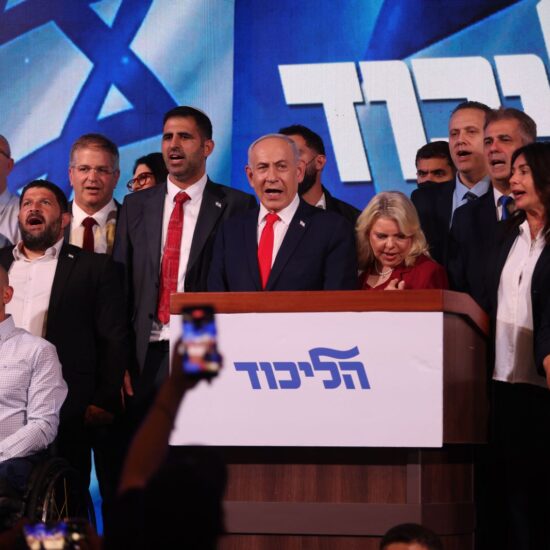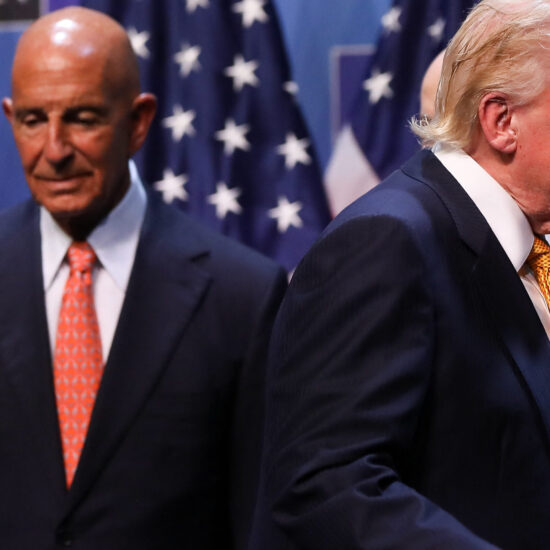
Israel is stuck in coalition limbo, with no bloc near 61 seats. America has voted, and in some states the count is still under way. Someone has won and someone has lost. For Lebanon, it changes nothing. Neither Netanyahu nor Eisenkot, neither Republicans nor Democrats, can fix a country that insists on staying in caretaker mode.
First came the Syrian occupation, then the Iranian one. One would think the lesson had been learned. It has not. Dependency is a form of submission, and submission has become a habit.
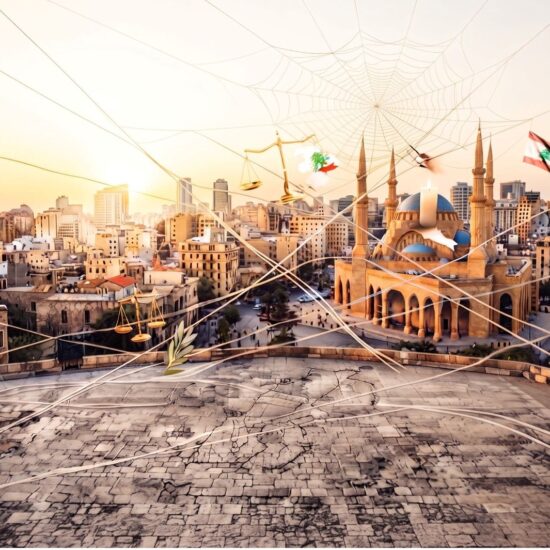
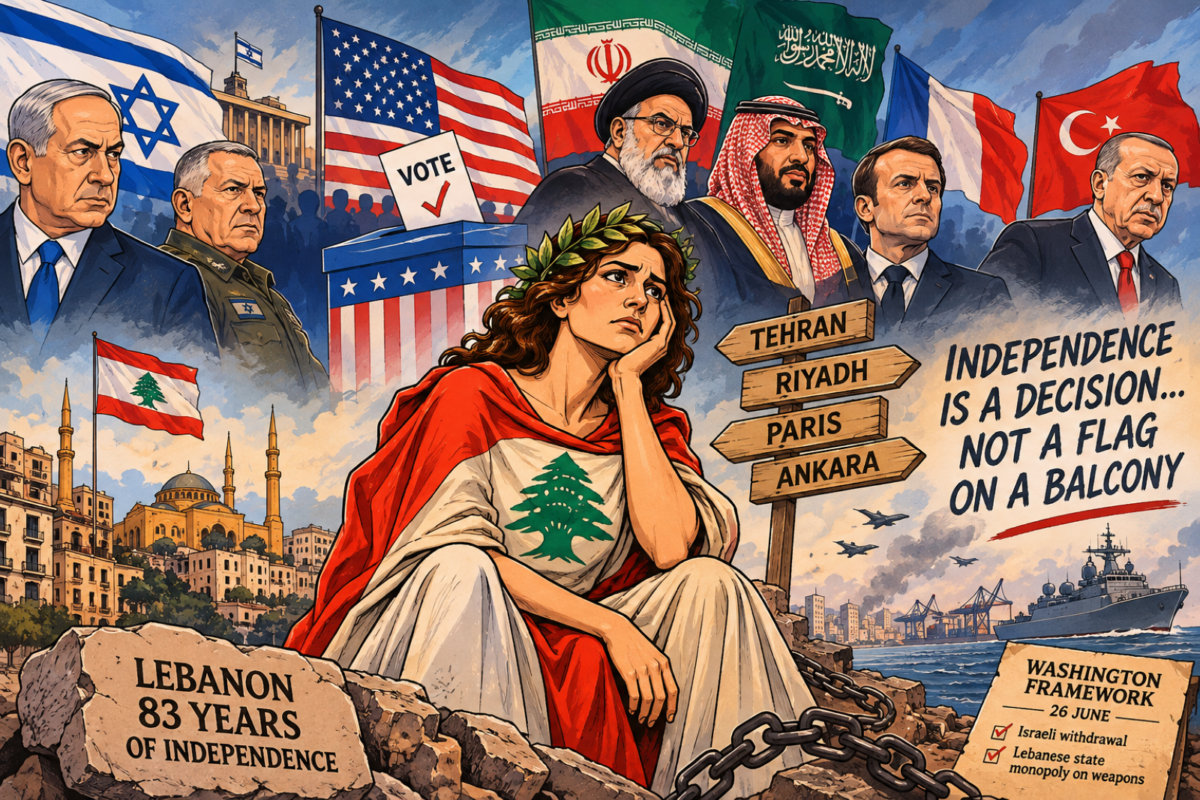
Lebanon marks Independence Day on 22 November, its 83rd. A country that cannot mature keeps looking for a chaperone. First came the Syrian occupation, then the Iranian one. One would think the lesson had been learned. It has not. Dependency is a form of submission, and submission has become a habit.
Bilal Erdogan, the Turkish president’s son, is reportedly expected in mid-November to meet the three presidencies and visit Tripoli, with talk of restoring Ottoman-era landmarks. The Ottomans return and the doors swing open. Call it charity if you like. It looks more like a footprint.
Every patron arrives with a parish. Tehran has its own. Riyadh and Paris, who never stopped treating Lebanon as an unfinished mandate, have theirs. And now the Turks are back. Bilal Erdogan, the Turkish president’s son, is reportedly expected in mid-November to meet the three presidencies and visit Tripoli, with talk of restoring Ottoman-era landmarks. The Ottomans return and the doors swing open. Call it charity if you like. It looks more like a footprint.
Meanwhile Lebanon is discussed in its absence. Saudi Defense Minister Prince Khalid bin Salman, Pakistan’s army chief Asim Munir and Turkey’s intelligence chief Ibrahim Kalin sat with President Pezeshkian and Mohsen Rezaei in Tehran. Iran’s foreign ministry listed Lebanon among the topics. The Lebanese state was not in the room. Then Araghchi set out Iran’s conditions, including an end to the war on all fronts, “including Lebanon.” Nobody should mistake this for an offer to help. It is a claim of ownership, tying Hezbollah’s weapons to Iran’s dispute with Washington instead of to decisions taken by the Lebanese Cabinet.
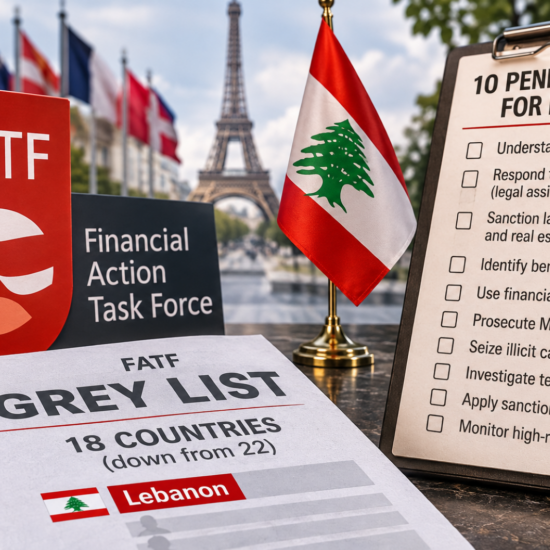
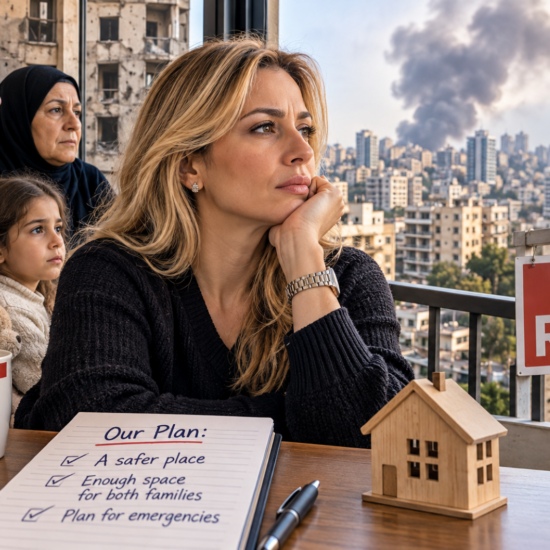
The pressure is gathering. Days ago, Maariv reported that Israel is preparing, should war resume, to blockade the ports of Beirut and Tripoli, much like the American blockade on Iran’s ports, with heavy strikes and plans to hold Tyre, Sidon and Nabatieh. Washington sanctioned nine officials in May, MPs and a security officer among them, and warned that more designations are in the pipeline. By the time you read this, the war may well have resumed. The scale of the crisis is clear. What is missing is Beirut’s answer.
The question of who decides for Lebanon has already been answered on paper. The framework signed in Washington on 26 June ties Israeli withdrawal to the Lebanese state extending its authority and holding a monopoly on weapons. The Tampa military round ended on 22 October without agreement on how that is verified. Lebanon has a channel, and it is being ignored while its leaders listen to everyone else.
Saudi de-escalation can lower the risk of a regional war reaching Lebanon, but it cannot decide who holds weapons in the south. Turkish warmth cannot replace a state. Iran’s “regional settlement” is the old guardianship under a new name. The Cabinet should execute its own decisions: Lebanon’s weapons and borders are decided by the Lebanese state, through the Washington framework, not in a room where Iran is a party.
Whoever wins in Israel and in Washington will deal with whoever is willing to decide. If Beirut will not, someone else will decide for it and call it a chaperone.
Whoever wins in Israel and in Washington will deal with whoever is willing to decide. If Beirut will not, someone else will decide for it and call it a chaperone.
Independence is not a flag on a balcony. It is the decision to stop needing a guardian. Lebanon turns 83 this month. It is time to act its age.
Elissa E Hachem is a journalist and political writer specializing in regional affairs and governance. Former Regional Media Advisor at the U.S. State Department’s Arabic Regional Media Hub, with broad experience in strategic communication across government and private sectors.
The views in this story reflect those of the author alone and do not necessarily reflect the beliefs of NOW.