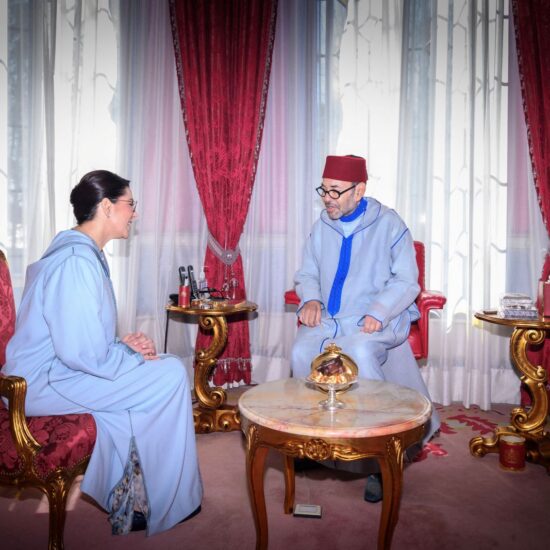
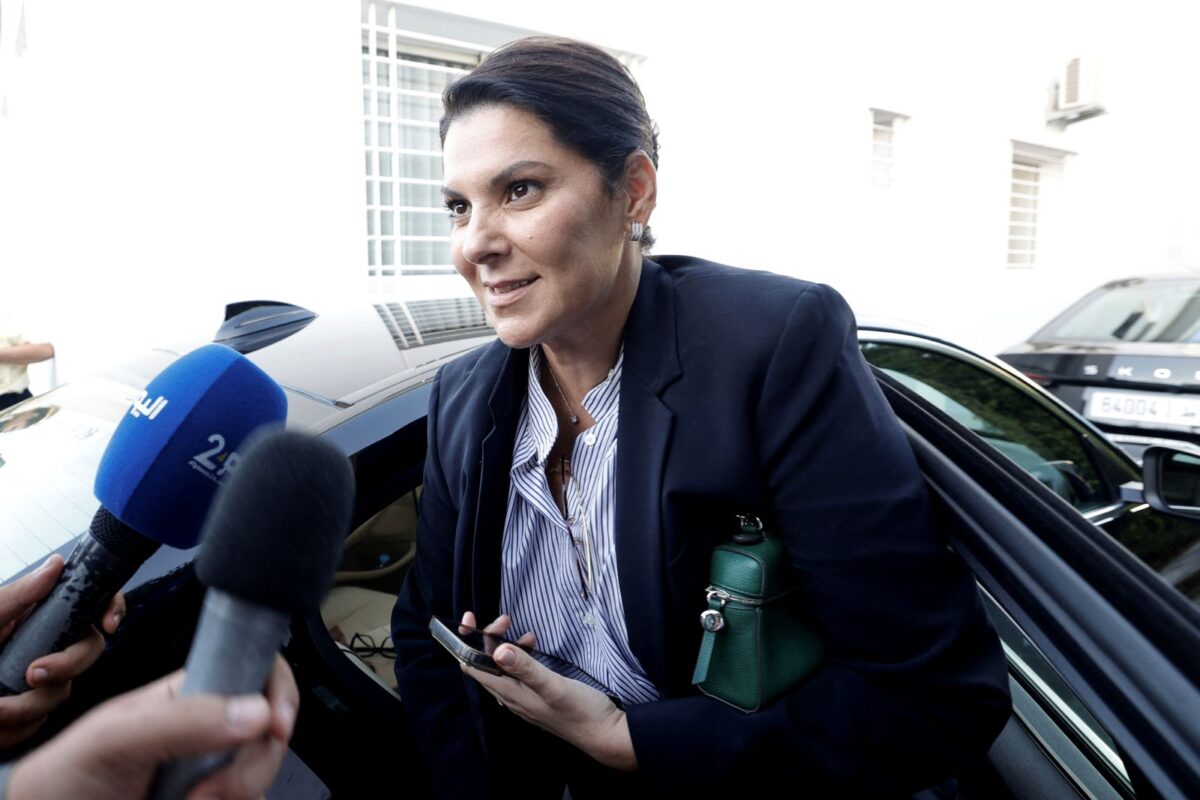
Photo by ABDEL MAJID BZIOUAT / AFP. Fatima Ezzahra El Mansouri, Morocco's newly appointed head of government, arrives for a meeting in Rabat on September 29, 2026.
In late September, Morocco’s King Mohammed VI appointed the country’s first female Prime Minister, Fatima Ezzahra El Mansouri. She now has to form a new governing coalition.
El Mansouri’s appointment is “definitely a huge win”, women’s rights expert Lina Abou-Habib told Now. It comes at a time of severe backlash against gender equality and women’s rights, Abou-Habib argues. Against this backdrop, having a “woman as a prime minister carries a lot of meaning.”
The 50-year-old El Mansouri is only the third female prime minister in the Arab world. In 2021, Najla Bouden became Tunisia’s first female Prime Minister. Since 2025, Sara Zaafarani Zenzri is serving as Tunisia’s second female Prime Minister.
The 50-year-old El Mansouri is only the third female prime minister in the Arab world. In 2021, Najla Bouden became Tunisia’s first female Prime Minister. Since 2025, Sara Zaafarani Zenzri is serving as Tunisia’s second female Prime Minister.
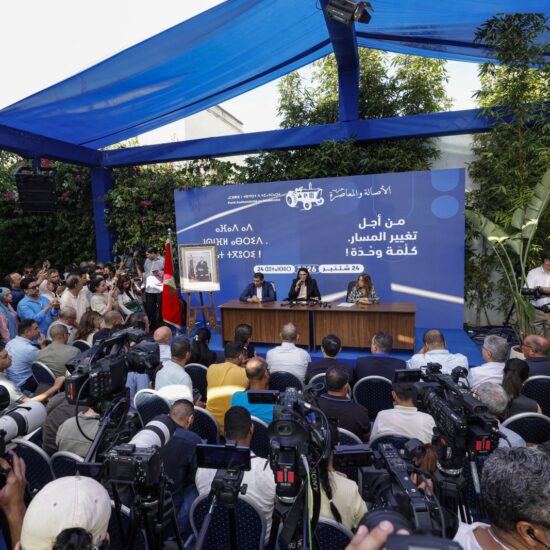
Morocco’s new Prime Minister now has to find coalition partners to build a majority government. Her party, the Authenticity and Modernity Party (PAM) secured 97 of 395 seats in the September legislative elections. Only about 38 percent of eligible voters turned up to the polls. According to news reports, El Mansouri might be eyeing a coalition government with the Democratic Bloc, even though differences between the parties remain.
El Mansouri is a trained lawyer and has been a member of PAM since 2008. In 2009, the then 33-year-old became Marrakesh’s first female mayor and served in this post until 2015. In 2021, she regained the position and has served as Morocco’s Urban Planning Minister.
What El Mansouri’s appointment could mean for Moroccan women
Women-rights-expert Abou-Habib points out that women are often brought into politics when times are challenging. Morocco is likewise facing some problems at the moment. Unemployment rates among young people in Morocco have reached 21.9 percent in 2025, according to the World Bank. The country is struggling with public service deficits in the healthcare and education sectors — especially in rural areas.
Nevertheless, Abou-Habib stays positive. “The public seems to think that she has the tools, the understanding and the willingness to address some long-term social, economic, and political problems that Morocco, like the rest of the region, is facing.”
So far, El Mansouri has largely avoided speaking publicly about gender-related issues. But she herself called her appointment “truly historic”, saying this is not only very important to her, but will be a source of pride “for all Moroccan women”.
So far, El Mansouri has largely avoided speaking publicly about gender-related issues. But she herself called her appointment “truly historic”, saying this is not only very important to her, but will be a source of pride “for all Moroccan women”.
Morocco’s women’s rights track record is not the brightest. In the 2026 Global Gender Gap Report, the country scored 139th out of 145 countries.
There are several aspects that could be improved for Moroccan women, the President of the Espace Associatif Maroc, Latifa Soufiani told Now. Women need to have access to economic resources by being able to join the labour market, Soufiani says. However, care work often obstructs women’s ability to start, maintain and succeed at work. Women also face difficulties in the healthcare and social protection system. These aspects among others need reform, she says.
Politics beyond representation
Women are also not equally represented in Moroccan politics and in leadership positions. “The 2026 legislative elections enabled 107 women to enter the House of Representatives, representing approximately 27.1%,” Soufiani said. In 2021, only 96 parliamentarians were women, amounting to 24.3 percent. “Despite this progress, women’s representation remains far from the principle of parity,” Soufiani adds.
Even when women enter political institutions like the parliament, their decision-making power is often limited, argues Soufiani. According to her, women are not yet equally represented in leadership positions. “The challenge today is therefore no longer limited to the legal recognition of women’s political rights, but lies in ensuring effective equality in the exercise of those rights.”
El Mansouri’s appointment will now show whether the country is ready to translate greater female representation into political influence.