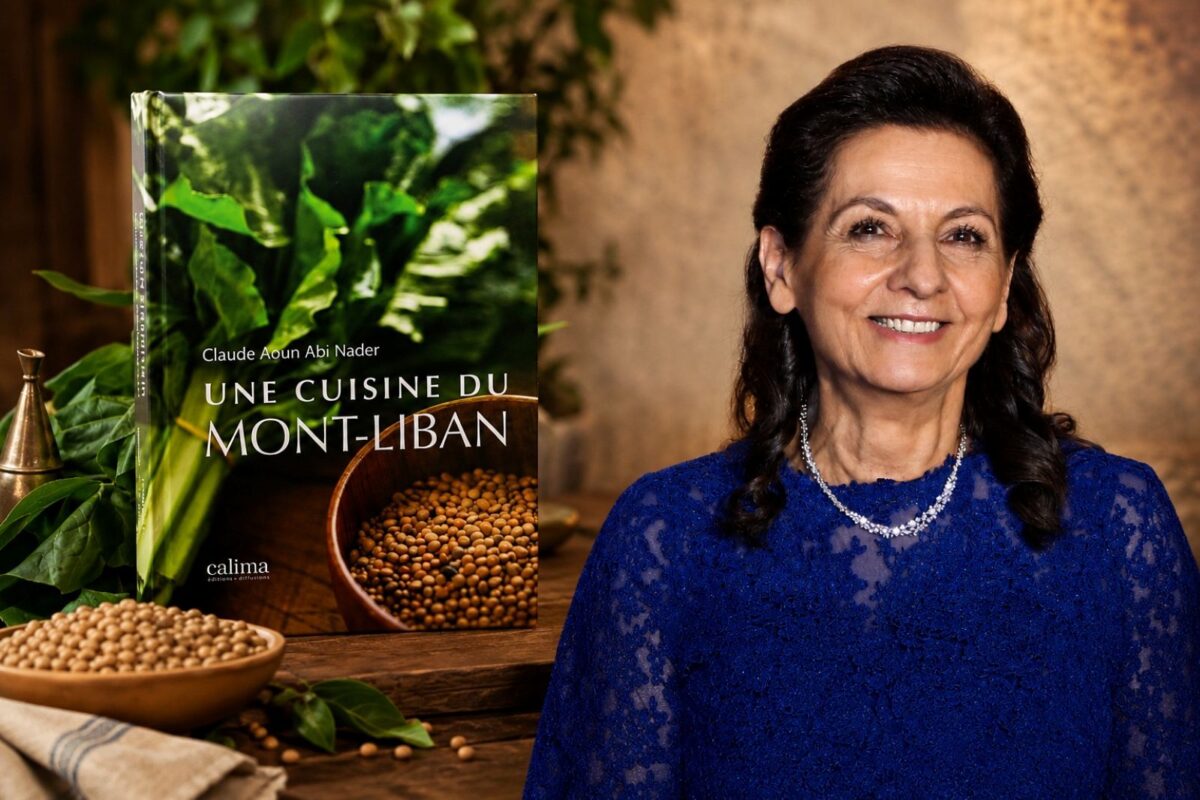
Claude Aoun Abi Nader’s new cookbook, Une cuisine du Mont-Liban, explores how culinary heritage has been passed down over generations, with cooking becoming an act of memory, identity and love.
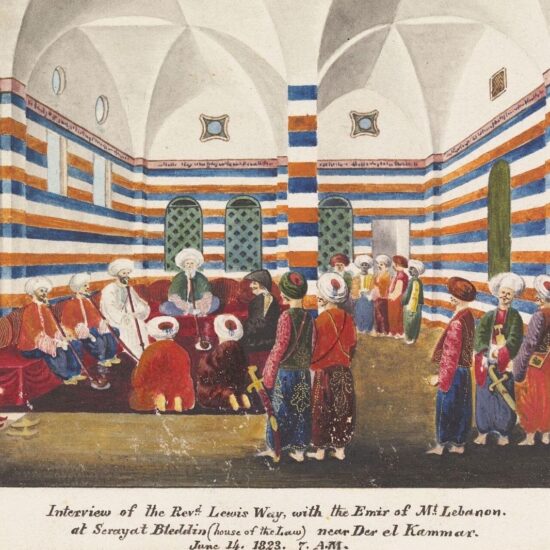
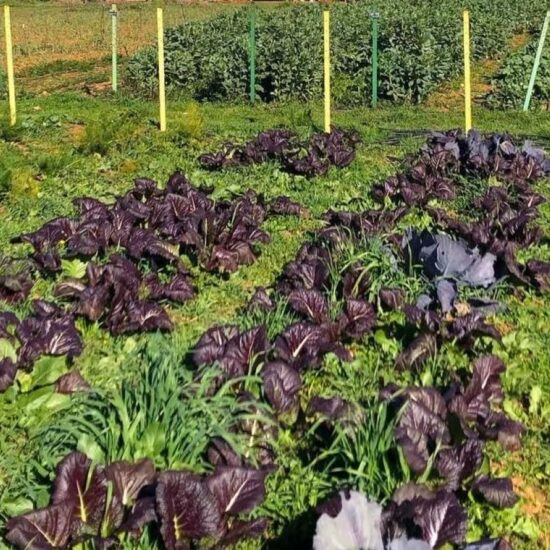
The Lebanese author focuses especially on the region of Mount Lebanon, which is a scenic highland area defined by the country’s famous Cedar forest. “The cuisine of Mount Lebanon draws its roots from the variety of local products offered by its diverse microclimates,” Abi Nader told Now. “Traditions that are sometimes thousands of years old are still alive in this part of the world,” she added.
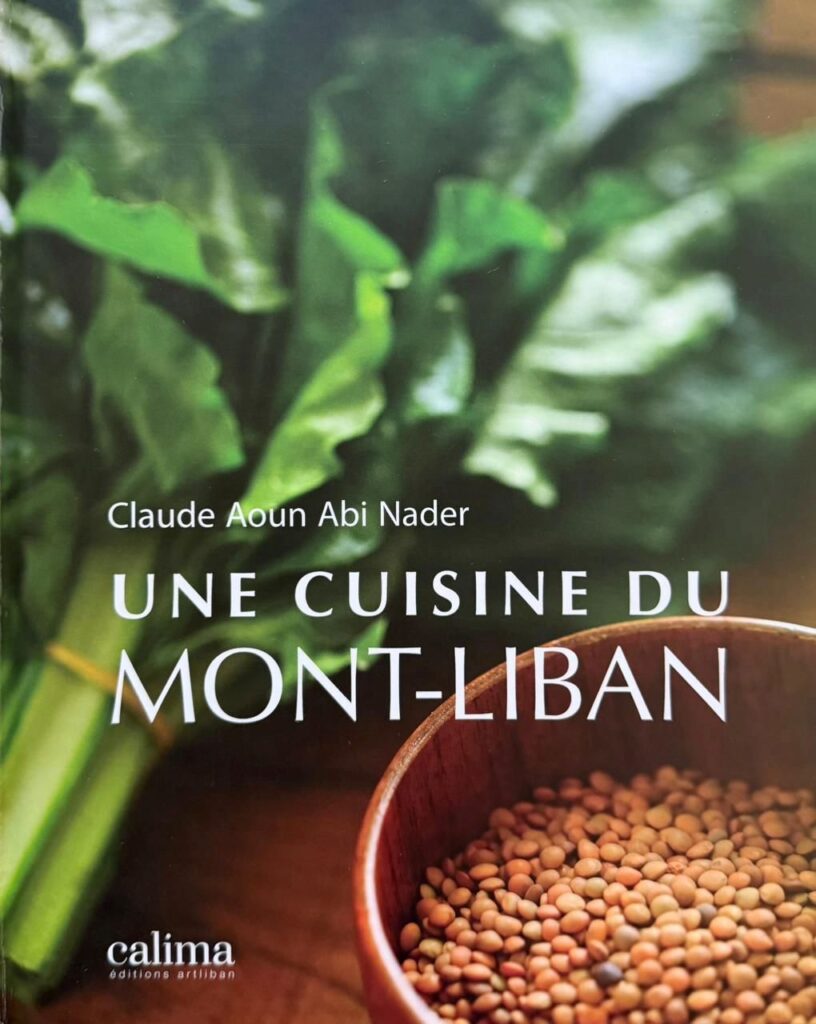
Une cuisine du Mont-Liban
For Abi Nader, cooking is one of the most important ways to preserve the authenticity of culture. Her family has lived in the region for generations, which inspired her to showcase its culinary legacy in her new book. On May 26, Abi Nader will host an event at Brasserie Elmir to present her work.
A signature ingredient found in many of the dishes is olive oil, which is widely produced in Lebanon — particularly in the north, the Bekaa region and in the south of the country. “Olive oil is to Lebanese cuisine what butter is to French cuisine,” Abi Nader said.
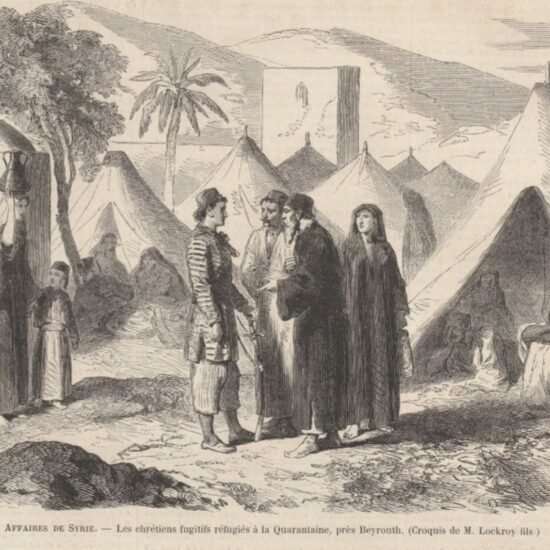
However, since the renewed outbreak of conflict between Israel and Hezbollah, olive oil has become increasingly scarce and expensive in Lebanon. With the south evacuated, residents forced to flee, and parts of the border region under Israeli military control, this year’s olive harvest has come under severe strain. In addition, the reported use of pesticides and white phosphorus in the south has further damaged the farmlands.
According to Abi Nader, however, this will not affect the cuisine of Mount Lebanon, which often relies on self-sufficiency. “Even if olive oil is currently becoming inaccessible, this is not the case for those who have two or three olive trees on their small plot of land, which provide the oil they will consume throughout the year.” She added that olives can also be preserved in various ways.
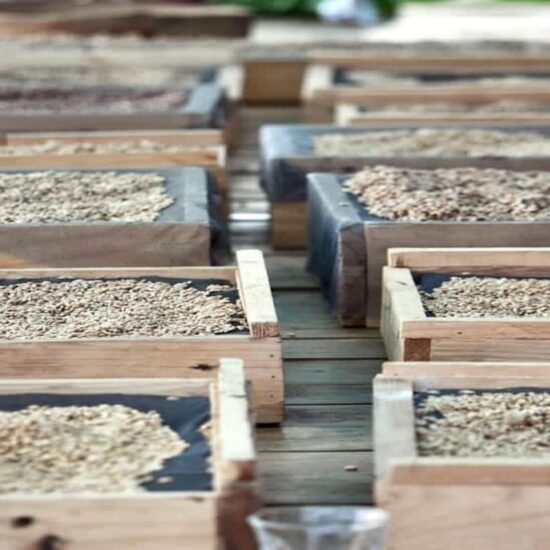
The region is particularly shaped by village life. In the past, farmers and residents relied on preserved foods harvested during the summer and autumn to sustain them through the winter months. While this tradition shaped the local cuisine, globalization has also transformed lifestyles. As in many parts of the world, shops now offer fresh produce and international products year-round, leading to changes in eating habits. “Almost no one stores food anymore for the harder season,” the author noted.

Claude Aoun Abi Nader
However, certain dining traditions have endured. Across Lebanon, sharing small appetizers known as mezze remains a central custom, but Mount Lebanon has its own distinct approach. “In these recipes and during large gatherings, what is shared is the main dish,” Abi Nader explained. While people still enjoy sharing arak, starters, or salads, the main course takes center stage.
Many dishes from Mount Lebanon are also vegetarian, a reflection of the region’s limited grazing land for livestock.
Some of the author’s favorite dishes are Moujaddara and a bean stew served with rice. Abi Nader explained that her son had inspired her to start the cookbook. “Cooking is above all an act of love.”