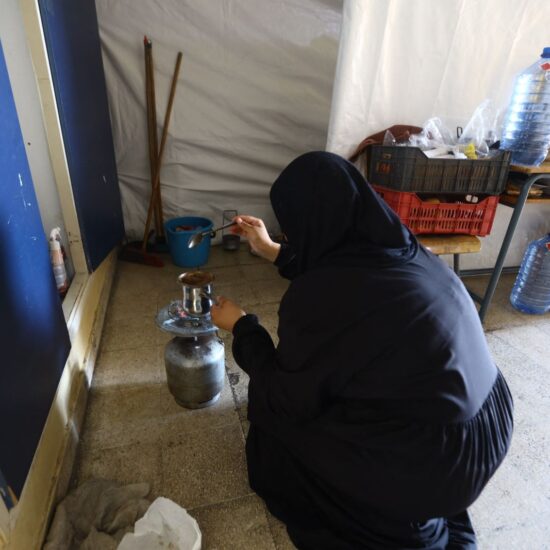
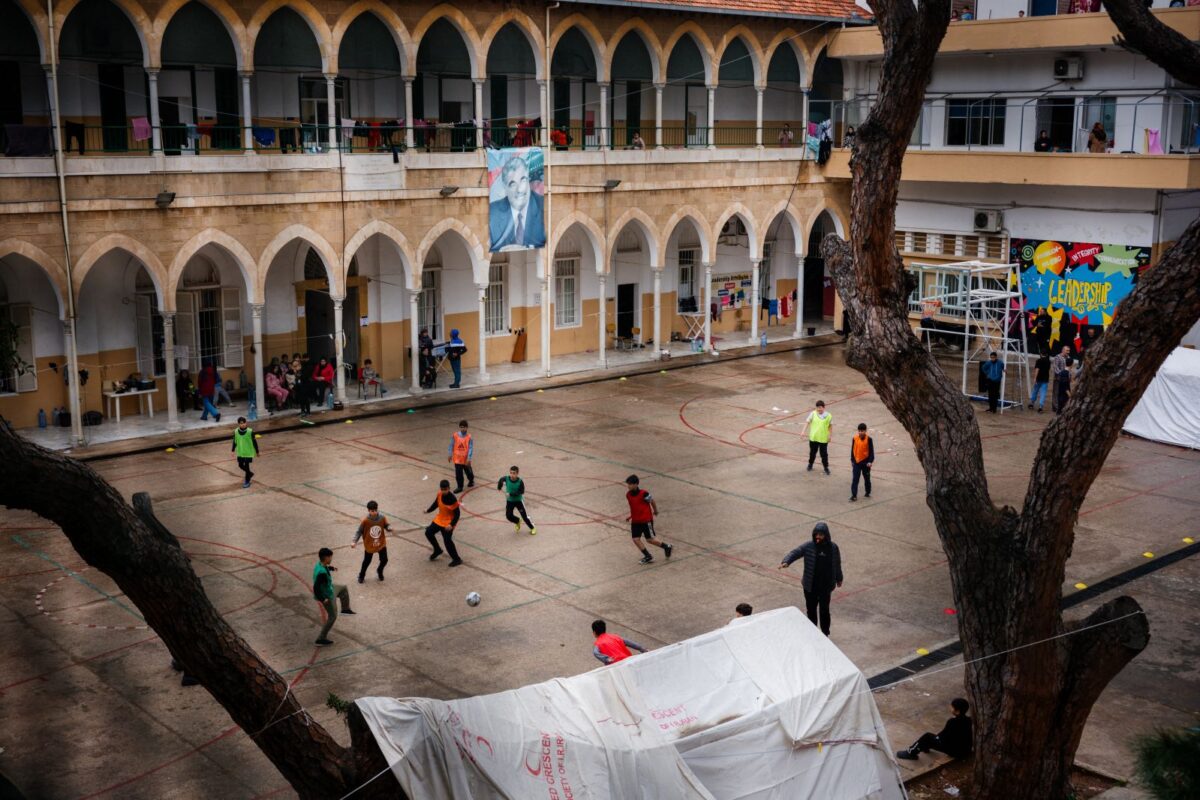
Photo by DIMITAR DILKOFF / AFP. Displaced children play football in an yard inside a public school, which was converted into a shelter facility for displaced people, in Beirut on April 1, 2026.
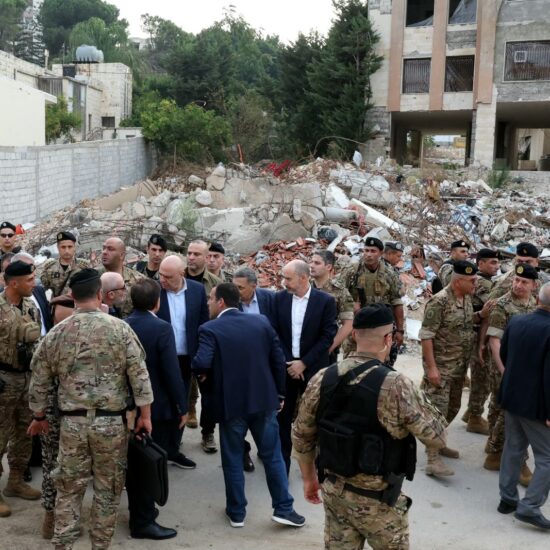
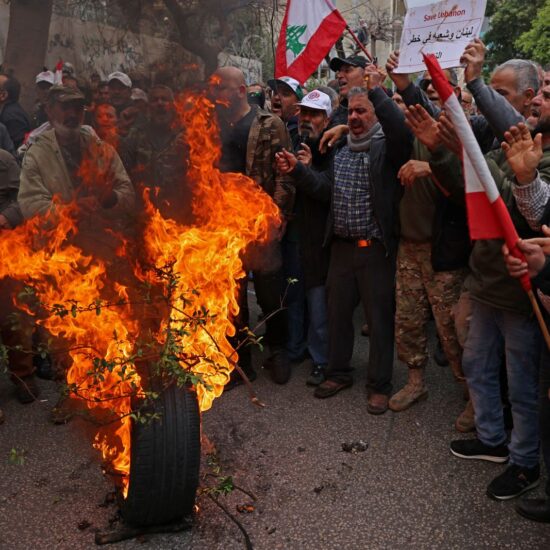
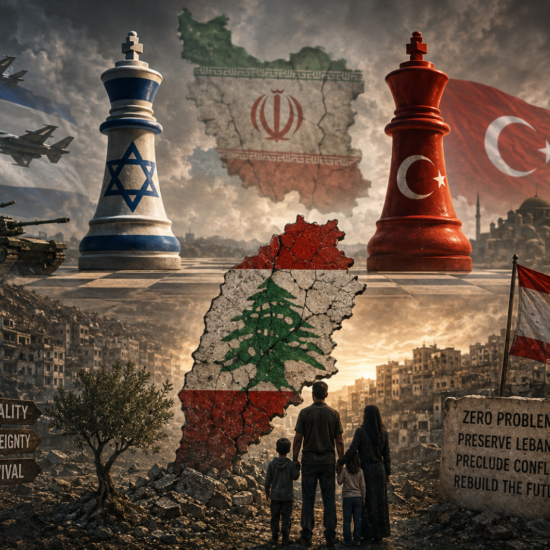
Lebanon was drawn into the Middle East war on March 2 when Tehran-backed militant group Hezbollah launched attacks on Israel to avenge the killing of the Iranian leader. Israel has responded with broad strikes across Lebanon and a ground offensive.
As ceasefires are announced and reconstruction cautiously returns to the political agenda, Lebanon once again stands at a decisive moment. Buildings can be repaired, roads reopened, and emergency measures slowly lifted, but history reminds us that postwar recovery is never only about infrastructure. The deeper question is whether this pause in violence becomes the beginning of a different future or merely another interval before the next war. That choice is neither abstract nor accidental. It is political, moral, and generational, and it will be judged by what happens in Lebanon’s schools just as much as by what is negotiated at the borders.
Lebanon’s political leadership faces a responsibility that cannot be postponed or diluted. Managing the aftermath of war is no longer enough
At this moment, Lebanon’s political leadership faces a responsibility that cannot be postponed or diluted. Managing the aftermath of war is no longer enough. The country’s current leaders must decide whether Lebanon remains locked into a permanent logic of confrontation or whether it finally commits to making peace with Israel a concrete political objective rather than a distant abstraction. For decades, avoidance has been justified as realism. In practice, it has delivered repeated wars, deepened internal fragmentation, and ensured that each new generation inherits unresolved conflict rather than political courage.
Peace does not emerge by default. It requires leaders willing to take historical decisions and to translate them into policies, institutions, and public priorities.
Peace does not emerge by default. It requires leaders willing to take historical decisions and to translate them into policies, institutions, and public priorities. Without such leadership, ceasefires turn into routines and instability becomes normalized. Education is where these choices become either credible or exposed as hollow. When leaders speak of peace while neglecting schools, politicizing curricula, or underfunding public education, they signal that peace is not intended to last.
Wars may pause through diplomacy or military exhaustion, but peace endures only when societies learn how to sustain it. Schools are the primary arenas where this learning takes place. What students are taught about conflict, responsibility, memory, and the humanity of others shapes whether fear and hostility are reproduced or slowly dismantled. Any sustainable peace between Lebanon and Israel, however distant it may appear today, depends on future citizens who can distinguish between governments and peoples, policies and identities, justice and revenge. These distinctions are not innate. They are cultivated through education.
In postwar societies, education systems often mirror unresolved conflicts rather than help resolve them. Silence replaces honest discussion, simplified narratives replace historical inquiry, and students are encouraged to move forward without making sense of what they have lived through. Trauma does not disappear under these conditions. It hardens. Lebanon is particularly vulnerable to this dynamic. Years of war, political paralysis, economic collapse, and chronic insecurity have shaped how young people understand normality. When schools reduce their mission to examinations and discipline, they abandon their most essential civic role.
This is why school leadership after war is never neutral. Principals and school boards decide whether classrooms become spaces of trust and reflection or environments where difficult realities are avoided. They determine whether teachers are supported in addressing students’ experiences or pressured into silence. Leadership that prioritizes wellbeing, dialogue, and ethical inquiry contributes directly to social healing. Leadership that reduces education to technical efficiency risks producing students who are academically trained but civically unprepared.
Teachers stand on the frontline of this challenge. Many Lebanese educators carry their own memories of war into the classroom. They are asked to help students process loss and fear while often lacking institutional support themselves.
Teachers stand on the frontline of this challenge. Many Lebanese educators carry their own memories of war into the classroom. They are asked to help students process loss and fear while often lacking institutional support themselves. Yet teachers remain among the most influential actors in shaping how young people interpret conflict. When educators are trusted and professionally supported to foster critical thinking, empathy, and respectful disagreement, they demonstrate peace as a daily practice rather than an abstract slogan. This work cannot depend on personal resilience alone. It requires sustained investment in teacher education, trauma aware pedagogy, and political protection.
For policymakers responsible for education, the implications are unavoidable. Schools are not a secondary social service. They are strategic infrastructure for long term stability. Underfunded public schools, fragmented governance, and politicized curricula do not merely reflect Lebanon’s instability. They reproduce it. If current leaders truly claim to seek lasting security for the country, they must treat education as central to that project.
Peace is not preserved through agreements alone. It is sustained through habits of thought, emotional resilience, and the ability to live with disagreement and historical pain. These capacities are learned. If they are not cultivated in schools, they rarely emerge elsewhere. Lebanon’s schools will not by themselves end hostility with Israel, but without them, any political breakthrough will remain fragile.
When the ceasefire holds, silence becomes a choice. The question is whether Lebanon’s leaders will make peace real enough for schools to teach it, and whether this generation will finally be given the tools to build a future that is not defined by the repetition of war.
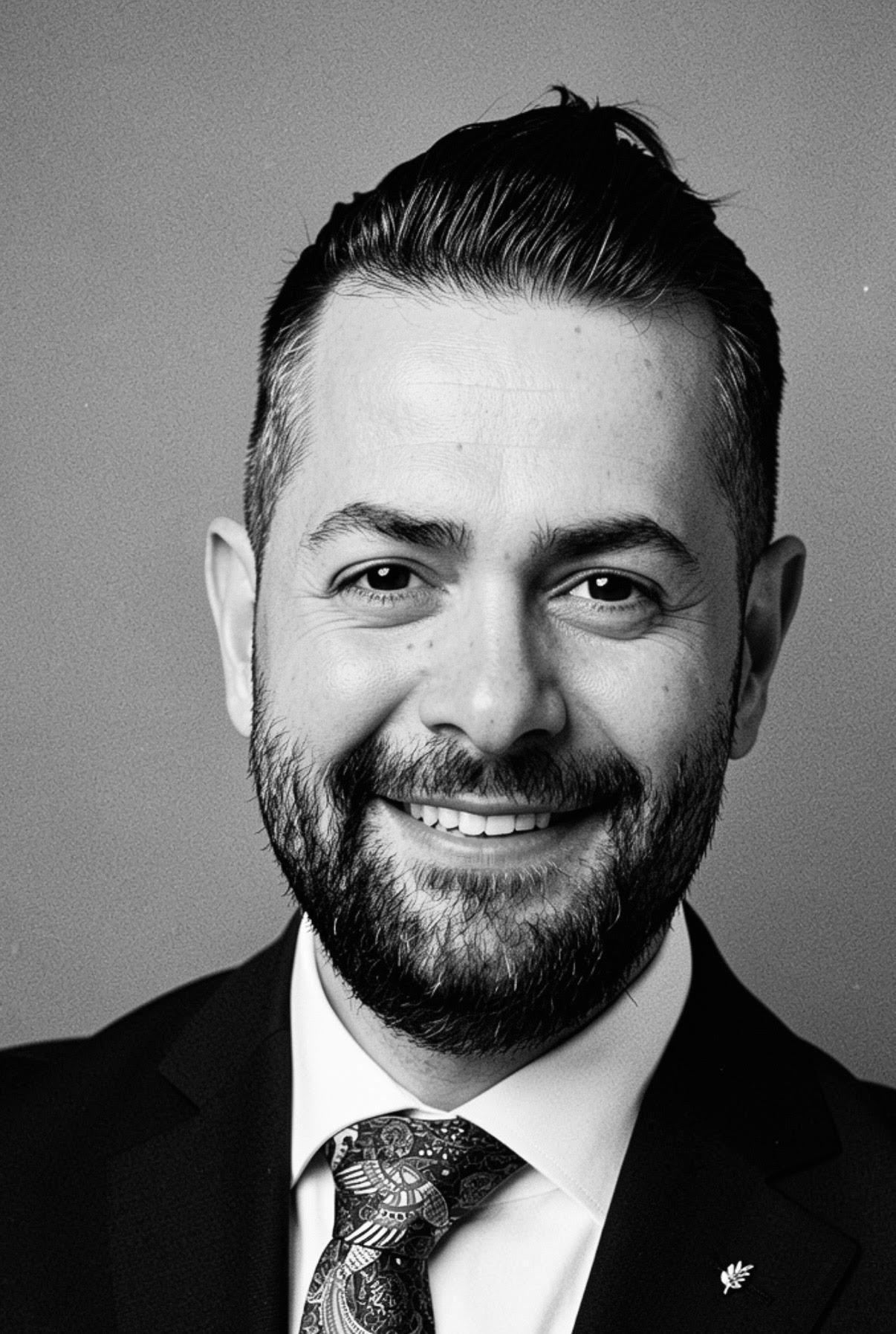
Mostafa Geha is a Lebanese-Swedish school leader with roots in southern Lebanon. He writes on the role of education in preventing radicalization and strengthening long term social cohesion in post conflict societies. A member of the National Board of the Swedish School Leaders’ Union, he lectures widely on education, democratic resilience, and developments in Lebanon and the Middle East.
The views in this story reflect those of the author alone and do not necessarily reflect the beliefs of NOW.