Khor Fakkan, United Arab Emirates. Photo by- / AFPTV / AFP
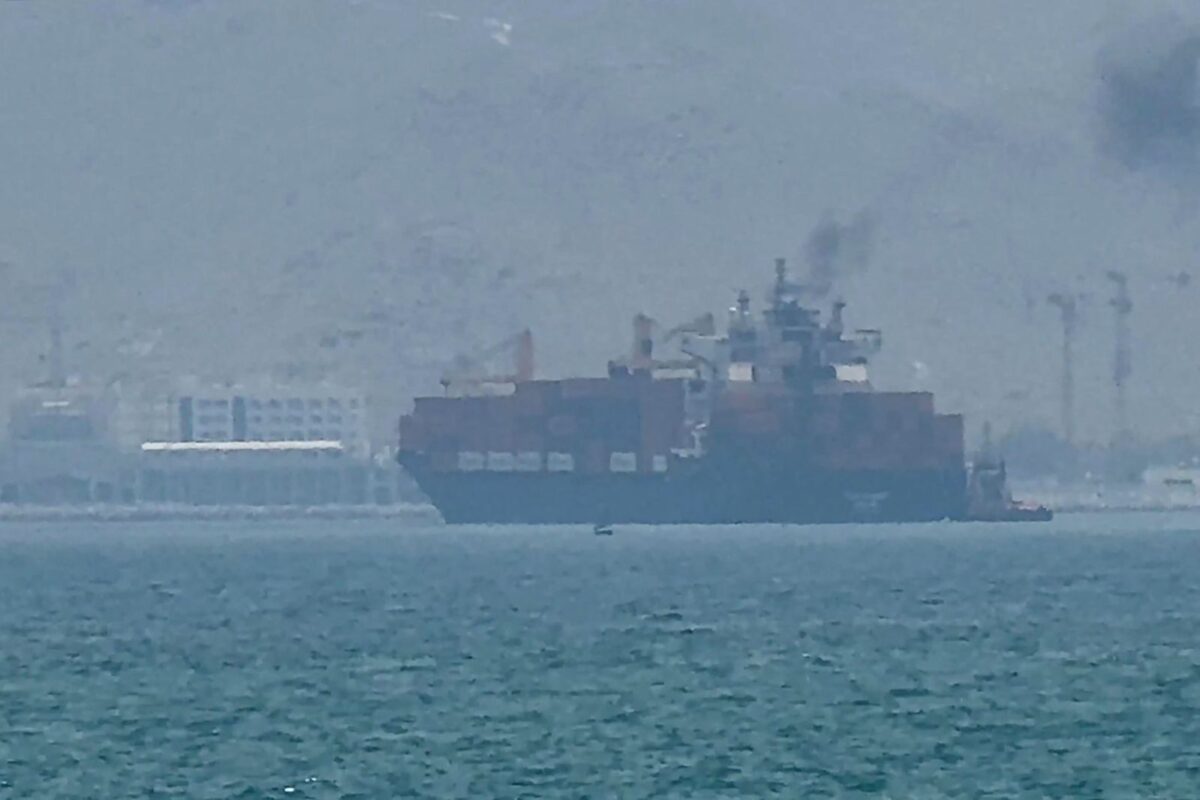
This frame grab taken from AFPTV video footage on July 12, 2026 shows a cargo ship anchoring near the Strait of Hormuz off the eastern coast of the United Arab Emirates at Khor Fakkan.
The fragile calm between the United States and Iran unravelled this week after Washington launched a new round of strikes on military targets in southern Iran, prompting Tehran to retaliate against US military positions in the Gulf and raising fears of a wider regional conflict. The escalation comes just weeks after both sides had sought to contain tensions through indirect diplomatic channels, with renewed fighting now casting doubt over prospects for de-escalation.
According to US Central Command, the strikes targeted Iranian military infrastructure linked to missile, drone and air defense capabilities, with Washington saying the operation was intended to deter further attacks on international shipping in the Strait of Hormuz. Iranian officials condemned the strikes, accusing the United States of undermining diplomatic efforts and warning that the latest military action had effectively derailed ongoing negotiations.
Iran responded by launching missiles and drones at US military facilities in Bahrain, Kuwait, Jordan and other Gulf states, while reiterating warnings over navigation through the Strait of Hormuz, one of the world’s most strategic energy corridors. The exchange has heightened concerns over regional security and global energy markets, with oil prices rising amid fears that the conflict could further disrupt shipping through the waterway.
The renewed confrontation also carries implications for Lebanon, where US-backed efforts to implement the recently agreed framework with Israel remain underway. While Lebanese officials continue preparations for talks on Israeli withdrawals from parts of south Lebanon, the broader regional escalation risks overshadowing diplomatic momentum and increasing uncertainty over security developments along the southern border.
In Lebanon
Rome meeting to focus on Israeli withdrawal from pilot zones
Lebanon is preparing for a new round of negotiations in Rome aimed at implementing the US-sponsored Lebanon-Israel framework agreement. The talks are expected to focus on Israel’s withdrawal from designated pilot zones in southern Lebanon under American supervision, with US military officials set to oversee the implementation process. While Lebanese officials have expressed cautious optimism, uncertainty remains amid the rapidly deteriorating security environment between Washington and Tehran.
US military delegation heads to Beirut
A US military delegation is expected in Beirut to coordinate the next phase of the framework agreement, including technical discussions surrounding Israeli redeployments and security arrangements. American officials have indicated that Washington will guide the withdrawal process as confidence-building measures continue between both sides.
President Aoun defends negotiations and looks to Washington
President Joseph Aoun reaffirmed that Lebanon will not abandon negotiations despite domestic criticism, insisting the talks serve Lebanon’s national interest. He also confirmed plans for a visit to Washington, saying he is counting on President Donald Trump’s administration to support implementation of the agreement and reinforce Lebanon’s security and sovereignty.
Israeli strikes continue in South Lebanon
Israeli warplanes carried out fresh airstrikes on several areas in southern Lebanon, while Israeli forces reportedly demolished a number of homes in border villages. The attacks came amid continued tensions along the Blue Line despite ongoing diplomatic efforts to advance the US-backed framework agreement between Lebanon and Israel.
Prime Minister Salam condemns attacks on Gulf states
Prime Minister Nawaf Salam condemned Iran’s missile attacks against Gulf countries and Jordan, stressing Lebanon’s rejection of any assault on Arab states. His statement underscored Beirut’s efforts to distance itself from the widening regional confrontation while maintaining support for diplomatic solutions.
In the Region
Iran-US confrontation intensifies
Regional tensions escalated after fresh US strikes on Iranian targets prompted Iran to launch retaliatory attacks against several Gulf countries. The exchange has raised fears of a broader regional conflict, complicating diplomatic efforts elsewhere, including negotiations concerning Lebanon and Israel.
Trump says Strait of Hormuz remains open
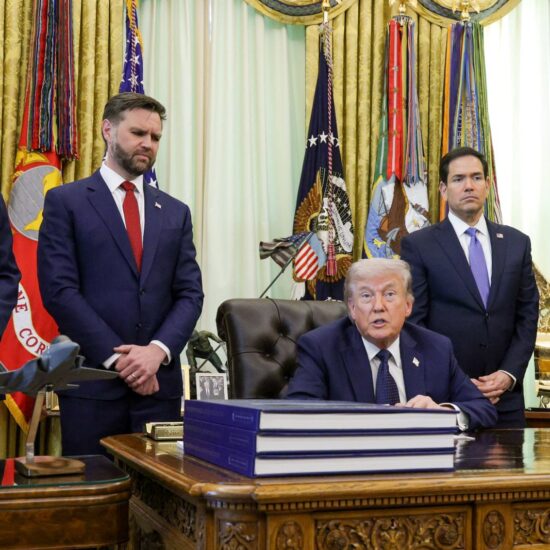
Despite Iranian threats to disrupt maritime traffic, US President Donald Trump said the Strait of Hormuz remains open for commercial shipping, with US forces prepared to safeguard navigation through one of the world’s most strategically important waterways.
Iran expands retaliation across the Gulf
Iran broadened its response to the latest US strikes by launching missiles and drones towards US military facilities in Bahrain, Kuwait and Jordan. Gulf states condemned the attacks, while regional and international actors renewed calls for restraint amid growing concerns that the confrontation could evolve into a broader regional conflict.
Syria’s new parliament convenes
Syria’s newly elected parliament held its inaugural session in Damascus, marking another milestone in the country’s post-war political transition as authorities seek to rebuild state institutions after years of conflict.
Lebanon declares official mourning for Qatar’s Emir
Lebanon announced official mourning following the death of Sheikh Hamad bin Khalifa Al Thani, recognizing his longstanding support for Lebanon and the close ties between Beirut and Doha.
What we’re reading
Lindsey Graham: The Friend Who Refused to Lie to Lebanon: Following the death of US Senator Lindsey Graham, this commentary reflects on his legacy as one of Lebanon’s most outspoken international supporters. In this piece , Makram Rabah, NOW’s Managing Editor argues that Graham consistently challenged Lebanon’s political class by insisting that genuine sovereignty required the state to hold a monopoly over arms, believing that difficult truths not diplomatic flattery offered Lebanon its best chance at long-term stability.
When the Mountain Speaks: Reading Lebanon’s History Through Its Environment: This feature piece by Charles Al Hayek explores Lebanon’s history through its changing landscape, arguing that the country’s mountains, forests and natural environment reveal centuries of political, social and economic transformation. Rather than treating nature as a backdrop, the article presents the environment as an active witness to Lebanon’s past and a guide to understanding its future.
Crying for the Supreme Leader, Silent Over His Flock: This opinion piece by Makram Rabah, NOW’s Managing Editor examines the contrasting public reactions to Iran’s leadership and the human cost borne by ordinary Lebanese. It questions political loyalties that prioritise regional ideological figures while remaining silent over the suffering experienced by local communities, highlighting the widening gap between political symbolism and everyday reality.
The Experienced Men Who Negotiated Lebanon’s Decline: The article argues that many of Lebanon’s current leaders present themselves as experienced statesmen, yet have repeatedly overseen political compromises that deepened institutional weakness and economic collapse. It contends that experience alone cannot substitute for accountability or meaningful reform.
They Always Fall. Lebanon Remains.: Drawing on history, religion and politics, this reflective essay by Elissa El Hachem argues that while regional powers, occupying forces and political movements eventually fade, Lebanon has repeatedly endured. The piece presents the country’s resilience as rooted not in military victories but in its ability to survive successive cycles of conflict while preserving its identity.