Everyone came to Beirut this week for a piece of Lebanon. Almost no one came for Lebanon.
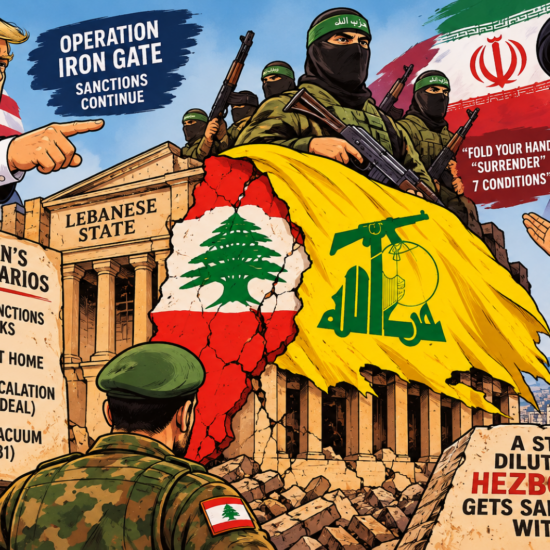
The one visitor who demanded Lebanese sovereignty was the American, which is a job for the Lebanese state, not for Washington. Speaker Nabih Berri sees only Israel’s breaches, yet everyone decides on the state’s behalf, including Iran, when Qalibaf ties Lebanon to its regional war.
They are not the same. America does not occupy Lebanon. Iran does. Turkey seeks influence and allegiance. The rest want a slice.
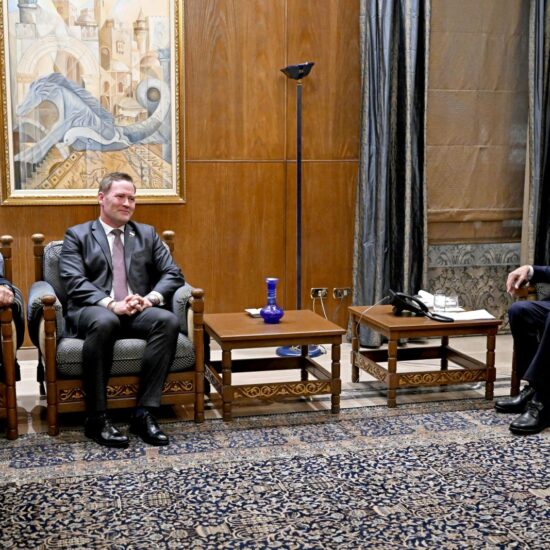
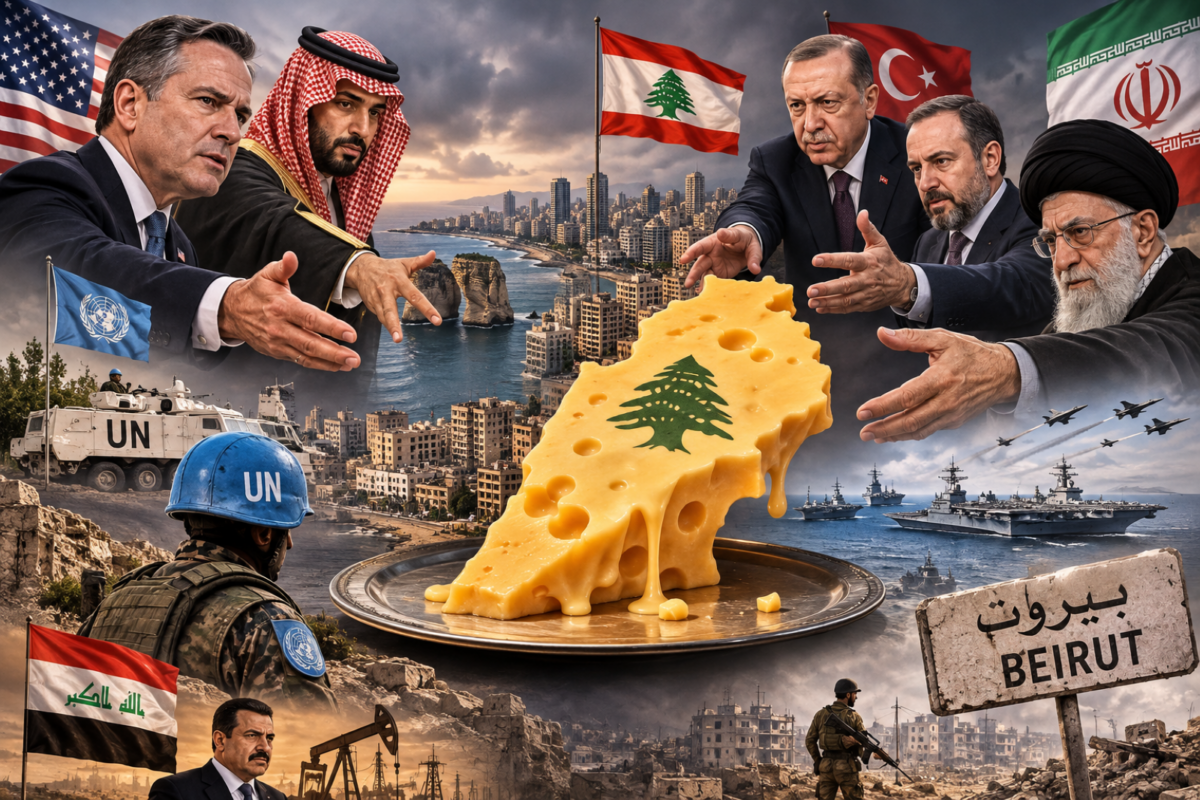
Lebanon is a processed cheese slice: tiny, oddly shaped, and quick to melt despite its size. It is also the child its own parents never wanted, while every neighbor and cousin lines up to snatch a piece. And this week the queue was long: Saudi envoy Prince Yazid bin Farhan, Bilal Erdogan staging a show in Tripoli, reported French plans for training bases, joint patrols and a 500-officer mission to replace UNIFIL, and Tehran, through Qalibaf’s call to Berri, folding Lebanon into its regional bargain.
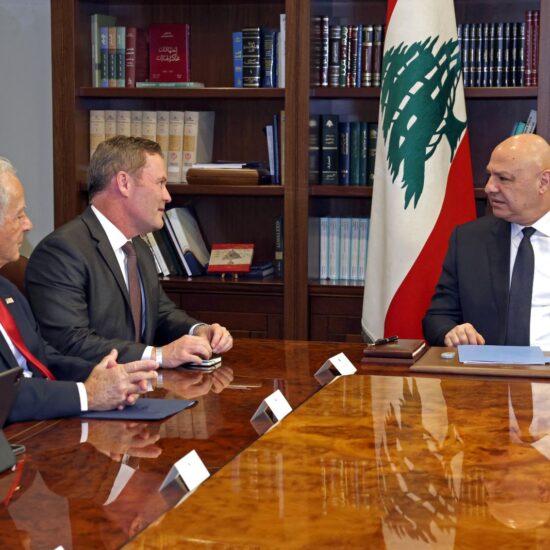
Washington’s message was the clearest: “Lebanese sovereignty must be fully restored. And the mechanism to do that will be the Lebanese Armed Forces. To Hezbollah and to their Iranian backers: No country can have two armies. I hope and pray Hezbollah will disarm. They should do that voluntarily.”
Washington’s message was the clearest: “Lebanese sovereignty must be fully restored. And the mechanism to do that will be the Lebanese Armed Forces. To Hezbollah and to their Iranian backers: No country can have two armies. I hope and pray Hezbollah will disarm. They should do that voluntarily.” When a superpower prays, it is running out of other options. Ambassador Mike Waltz also dismissed a meeting with army commander Rodolphe Haykal: political and military roles must not be mixed.
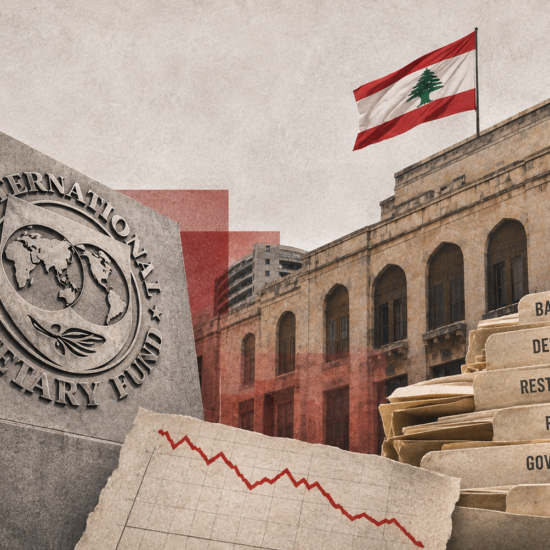
The plan: Waltz proposed keeping Resolution 1701 as the post-UNIFIL framework, with amendments, and Washington is reportedly working with France, the Council’s penholder on Lebanon, on a text folding in elements of the trilateral framework. Today that framework is a political understanding Hezbollah can reject and Baabda can dilute. Under a UN resolution it becomes binding. Lebanon itself asks for a UN mandate.
Washington is changing the rules of the game: no permanent international umbrella, and no room for two armies. That is how you take Lebanon out of Iran’s mouth: move the file to a table Tehran does not control.
Washington is changing the rules of the game: no permanent international umbrella, and no room for two armies. That is how you take Lebanon out of Iran’s mouth: move the file to a table Tehran does not control.
Would it pass? UNIFIL’s last renewal passed unanimously, but only after Washington signaled a veto, and China complained of the “stubborn insistence of a permanent member.” Moscow, by most accounts, does not see Hezbollah as the main problem. My read: neither will veto a text Lebanon itself requests, but they will resist language making disarmament an explicit obligation. The fight will be over wording, and wording is where Beirut’s loopholes live.
President Aoun’s latest line is that exclusive weapons control “must be addressed through an approach that takes security, political and economic considerations into account.” Washington names the army as the mechanism, while its commander does not want to disarm Hezbollah. Israel’s presence stays until disarmament. UNIFIL’s chapter is sealed with red wax, and its expiry must not bring in temporary solutions that are inefficient and damage Lebanon further.
Now look at Iraq, Lebanon’s mirror. Prime Minister Ali al-Zaidi did not give a speech about Kataib Hezbollah. He opened a file: oil smuggling in Jurf al-Sakhar, its stronghold. He sacked nine officials, including the Babil police chief, and referred suspects to the judiciary. A case, a force, and consequences for those who looked away.
Now look at Iraq, Lebanon’s mirror. Prime Minister Ali al-Zaidi did not give a speech about Kataib Hezbollah. He opened a file: oil smuggling in Jurf al-Sakhar, its stronghold. He sacked nine officials, including the Babil police chief, and referred suspects to the judiciary. A case, a force, and consequences for those who looked away.
That is how a state clips Iran’s wings: not by calling weapons a chronic problem, but by prosecuting the business that funds them. Whatever happens in Iraq lands in Lebanon or foretells what is coming to it.
The region looks headed for a massive war. It began as cyber warfare, but the military build-up adds up to one signal. Reports put 17 US warships, three aircraft carriers, 55,000 troops and 200 fighter jets in the region. The volcano will erupt soon. Lebanon is still lost in the storm. A slice of cheese cannot save itself. Only a country can, and a country needs a state that picks its side before others pick it for them.
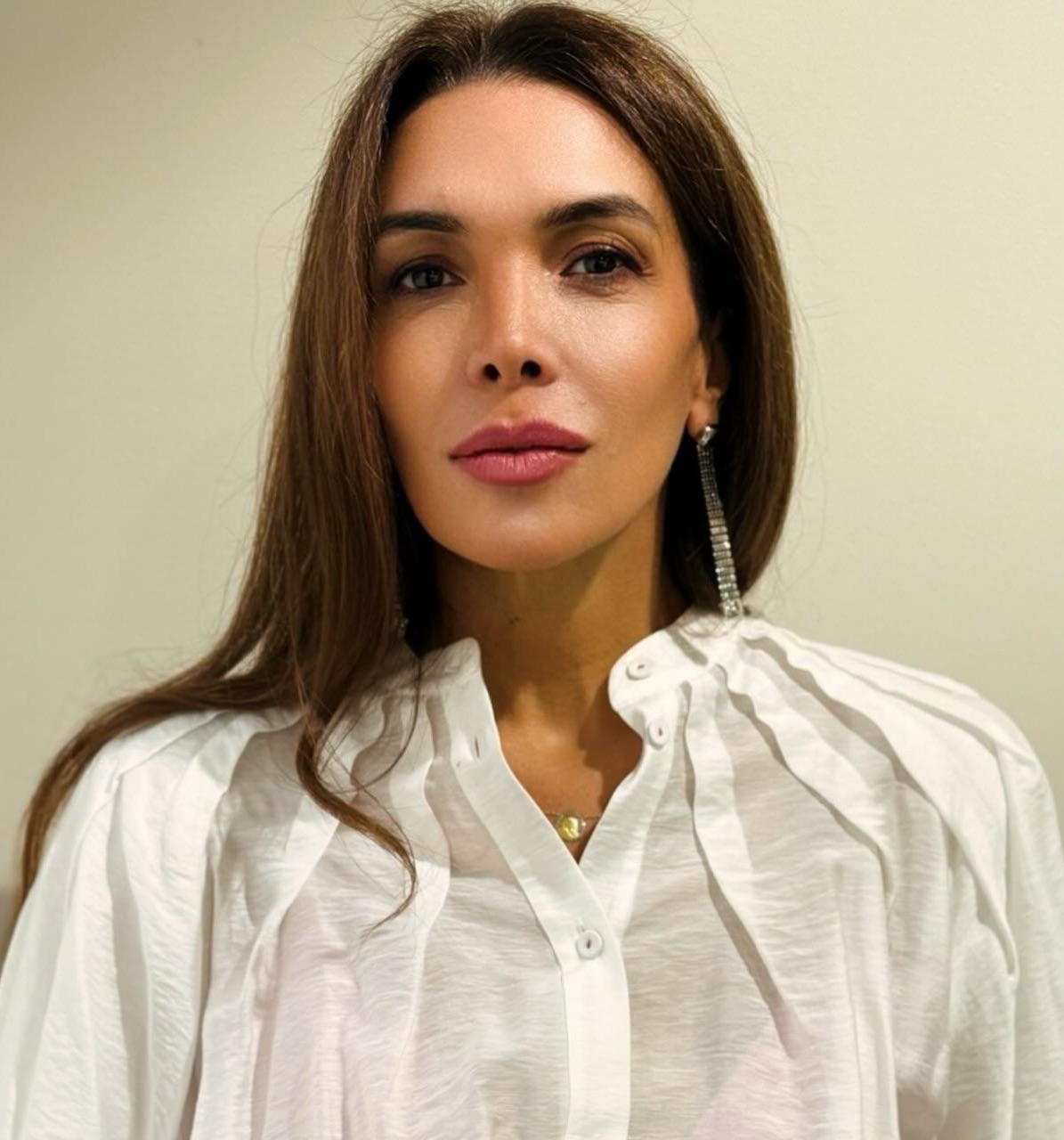
Elissa E Hachem is a journalist and political writer specializing in regional affairs and governance. Former Regional Media Advisor at the U.S. State Department’s Arabic Regional Media Hub, with broad experience in strategic communication across government and private sectors.
The views in this story reflect those of the author alone and do not necessarily reflect the beliefs of NOW.