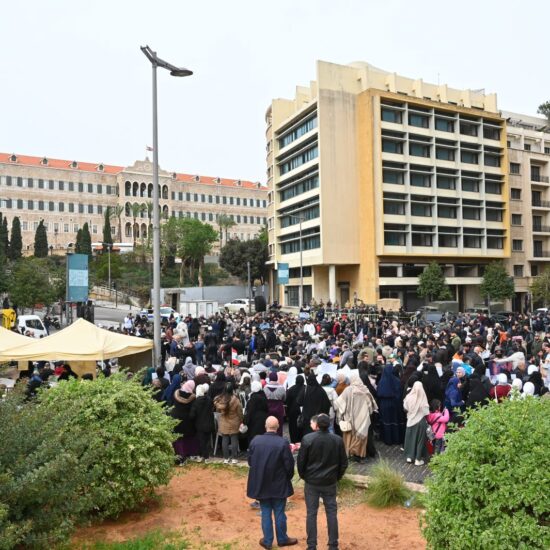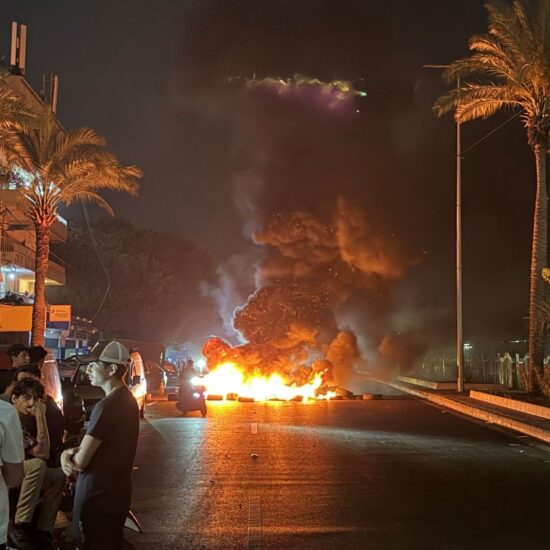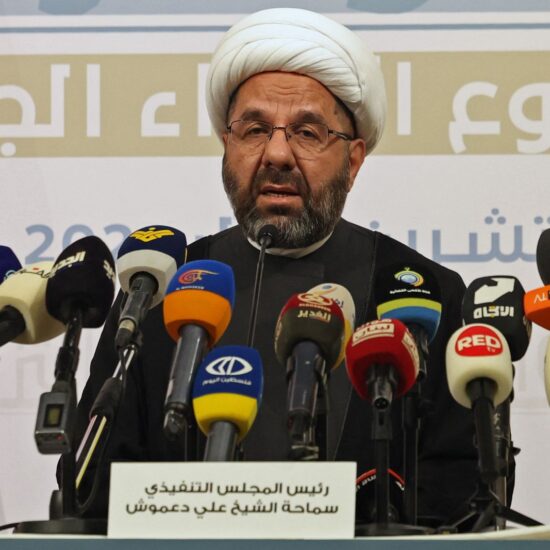
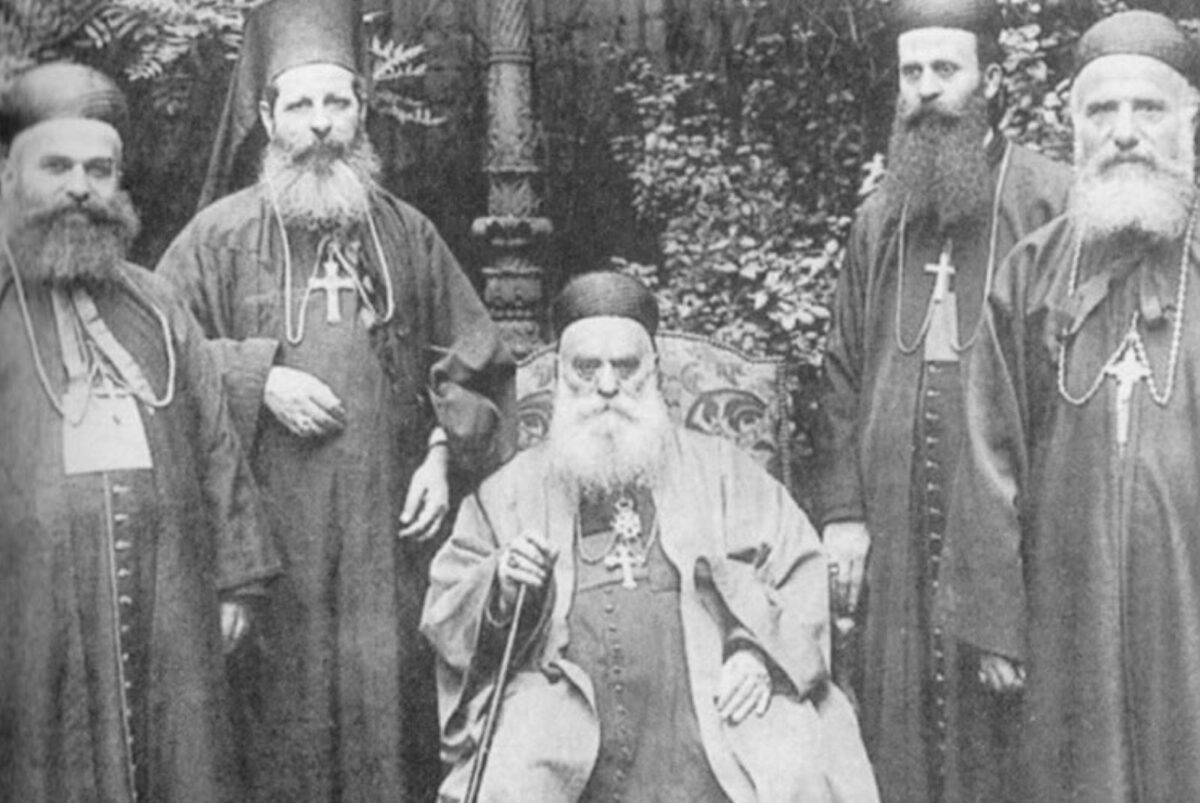
At the ceremony declaring Patriarch Elias Hoyek blessed, one chair was conspicuously empty. President Joseph Aoun attended. Prime Minister Nawaf Salam attended. Parliament Speaker Nabih Berri did not, and sent no representative. Whatever the reason, its symbolism was difficult to miss. Lebanon honored the man most closely associated with creating Greater Lebanon, yet one of its three highest constitutional offices was missing. A century after its founding, the country still struggles to speak through one political story.
At a historic threshold, as empires collapsed and the regional map was redrawn, Hoyek carried the case for a distinct Lebanon to the Paris Peace Conference. He believed its history and plurality required political existence and protection. His beatification is a religious event. His legacy, however, cannot be separated from politics. And the best way to honor that legacy is not to pretend that every arrangement governing Lebanon since 1920 must remain untouched.
Defending Greater Lebanon cannot mean defending the political formula that has repeatedly brought it to paralysis and collapse. Lebanon has spent decades confusing the entity with the system.
Defending Greater Lebanon cannot mean defending the political formula that has repeatedly brought it to paralysis and collapse. Lebanon has spent decades confusing the entity with the system. Criticizing sectarian governance is treated as an attack on Lebanon itself. Defending Lebanon is reduced to defending quotas, inherited offices and communal vetoes.
But the present order is an accumulation of the 1926 Constitution, the National Pact of 1943, the Taif Agreement of 1989 and decades of political bargains. Each stage tried to maintain balance. Over time, balance hardened into entitlement.
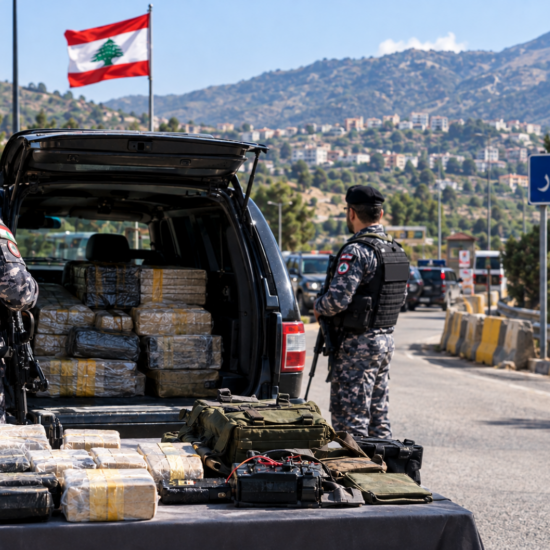
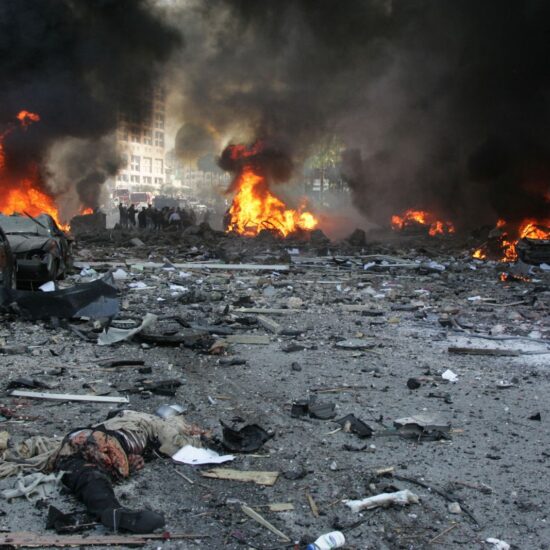
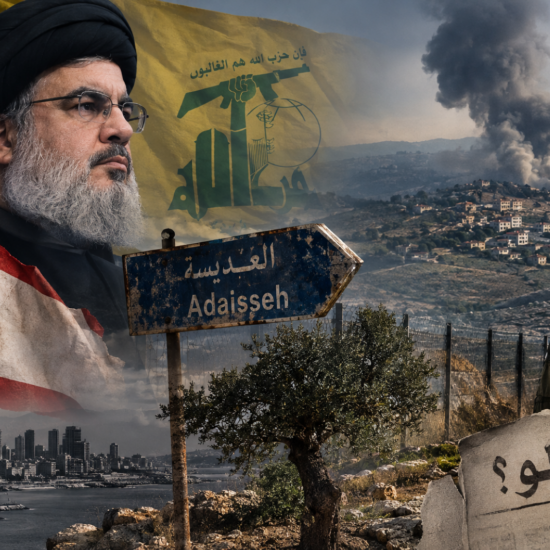
The civil war formally ended in 1990. Politically, that is less clear. The militias became parties. The warlords became ministers. Their territories became institutional fiefdoms. One militia retained its weapons and an independent decision over war and peace. The others exchanged their guns for portions of the state. The conflict did not disappear; it migrated from the streets into the institutions. This is what it means to say that the civil war never truly ended. Not that Lebanese people remained under daily gunfire, but that the questions beneath the war were never resolved: Who holds sovereignty? Who represents the communities? Where does the citizen end and the sect begin? Who decides whether Lebanon goes to war?
Taif helped stop the killing, and that matters. But it was also supposed to begin a transition away from permanent political sectarianism
Taif helped stop the killing, and that matters. But it was also supposed to begin a transition away from permanent political sectarianism. Article 22 of the Constitution provides for a non-confessional parliament alongside a Senate representing the religious communities on major national questions. Article 95 calls for a phased plan to abolish political confessionalism.
Lebanon implemented the distribution of power but abandoned the transition. We kept the guarantees, expanded the spoils and forgot the destination. What was meant to be a bridge became the permanent address.
Now another conflict is on pause. Israeli forces have begun withdrawing from limited areas, the Lebanese Army is entering devastated villages and negotiations are continuing. Once again, we may mistake the absence of full-scale fighting for a political settlement.
Even if Israel withdraws completely and all weapons eventually fall under state authority, Lebanon will still have a system incapable of ordinary government. Sovereignty is necessary, but insufficient. We also need a state worth making sovereign.
Changing the model does not mean partitioning Lebanon, shrinking it or pretending its communities do not exist. Those solutions start from the false assumption that diversity is the problem. It is not. The problem is a system that turns every appointment, service, budget and political decision into a struggle for communal survival.
Lebanon must separate the protection of its communities from the administration of its state. A non-confessional lower house should allow political programmes to compete and governments to be held accountable. A Senate can protect communal interests on genuinely existential matters. Serious administrative and fiscal decentralisation can return decisions to people without surrendering national sovereignty. Defence, borders and foreign policy must belong to one state. This is not an imported fantasy. Much of its outline already exists in Lebanon’s Constitution. What has always been missing is the political courage to implement it.
Berri’s empty chair is less interesting as a judgment on one man than as a symbol of an entire order. As the longest-serving speaker in Lebanese history, he embodies the continuity between the civil war and the system built after it. His absence unintentionally raised the question the ceremony could not answer: can those who inherited the postwar order imagine a Lebanon beyond it?
Hoyek’s achievement was not that he preserved an old formula. It was that he understood when an old political reality could no longer protect his people. Loyalty required invention.
That is the loyalty Lebanon needs again. Greater Lebanon must remain. But if we continue treating its failed governing formula as sacred, we may preserve the name while losing the country. The real tribute to Hoyek is not to freeze Lebanon in 1920. It is to recover the courage of 1920 and found it again.
Ramzi Abou Ismail is a Political Psychologist, Researcher and Analyst.
The views in this story reflect those of the author alone and do not necessarily reflect the beliefs of NOW.