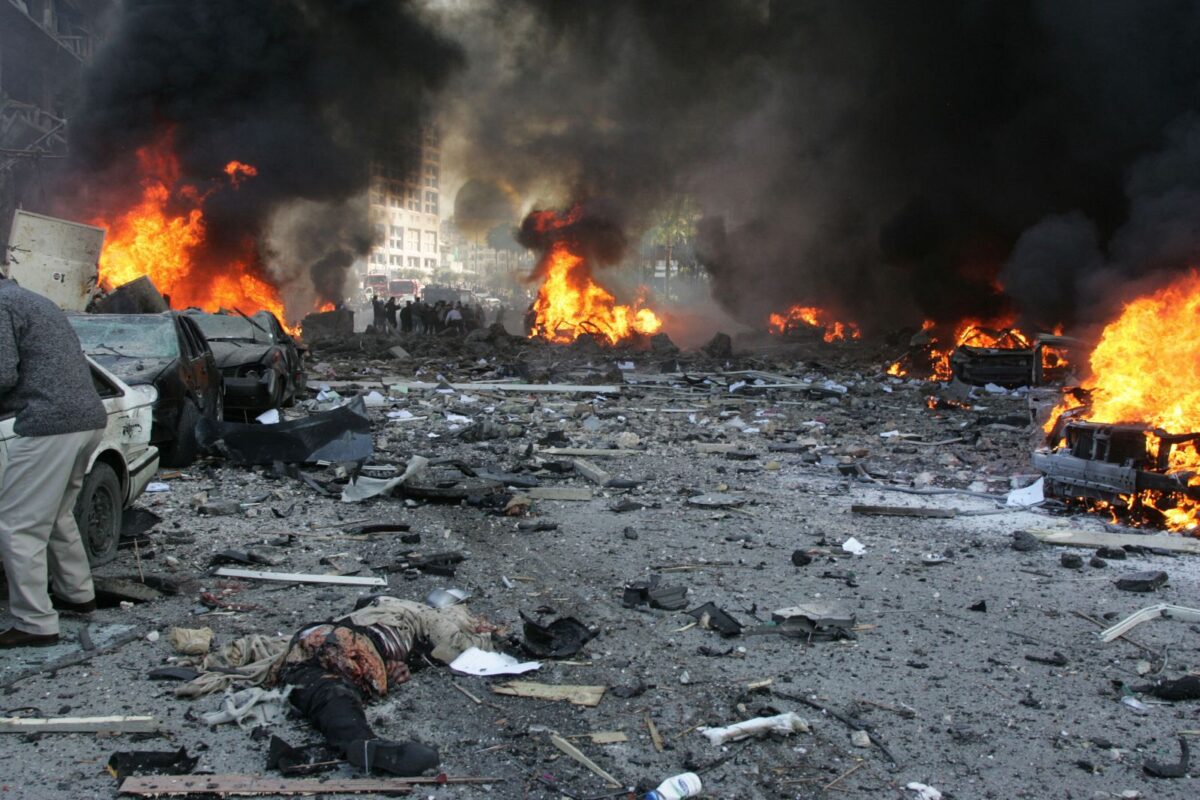
A disfigured corpse lies on the ground amid blazing cars at the scene of a huge blast in Beirut 14 February 2005 Beirut. Former Lebanese prime minister Rafiq Hariri was killed in the explosion. AFP PHOTO/ JOSEPH BARRAK (Photo by Joseph BARRAK / AFP)
Last week, a vehicle carrying hundreds of kilograms of explosives was stopped at the Dahr al-Baydar checkpoint. The seizure of the illegal ordinances has caused renewed fears of political assassinations in Lebanon.
Two Hezbollah-affiliated members were smuggling explosives from the Bekaa region to Beirut. Both were arrested at the checkpoint and are currently under investigation. The explosive C-4 was found in the vehicle — a material that has been associated with political assassinations in the past decades.
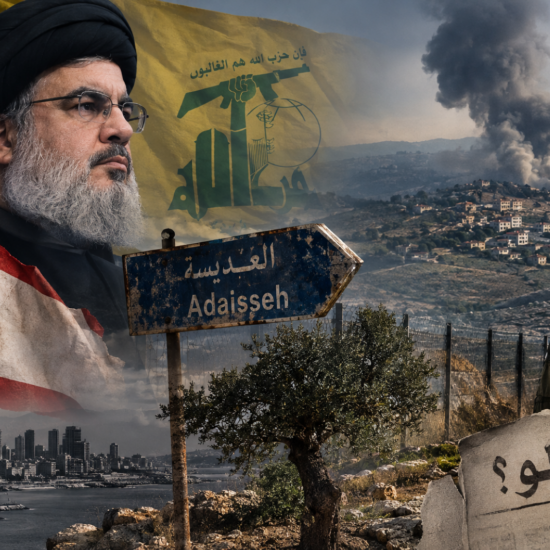
Starting in the early 2000s, Lebanon was haunted by a series of political assassinations targeting a range of public figures, from politicians and journalists to investigators and military personnel. The most prominent case was that of former Prime Minister Rafiq Hariri. He was killed in 2005 by a car bomb that carried a mix of C-4 and RDX explosives, in which the special tribunal for Lebanon found three members of a Hezbollah hit-squad guilty.
On Monday, Lebanon’s Prime Minister Nawaf Salam was calling for a crackdown on illegal smugglers in a post on X on Monday morning. Salam said he understood the “concern felt by the Lebanese people following news of the truck’s interception and the materials it was transporting, especially since C-4 has been used in a number of infamous political assassinations in Lebanon’s modern history.” Salam said the government would pursue investigations “to identify all those involved in this criminal operation.”
In Lebanon
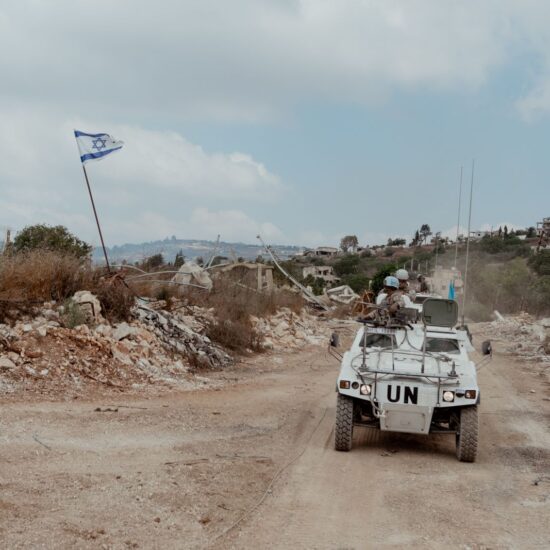
EU will train the Lebanese army: The EU foreign affairs chief Kaja Kallas said that Brussels will support the Lebanese Armed Forces by establishing a training and support mission. The new EU mission “will advise and assist the LAF and Internal Security Forces to strengthen territorial control, border security and also internal security,” she said during her visit to Beirut last week. The deployment, however, will not be a replacement for the current UNIFIL mission, which is set to expire by the end of the year, she added.
Trump removes restrictions on air travel to Lebanon: The U.S. President Donald Trump moved a step closer to easing air travel between the U.S. and Lebanon by saying that the previous restrictions were “no longer necessary”.
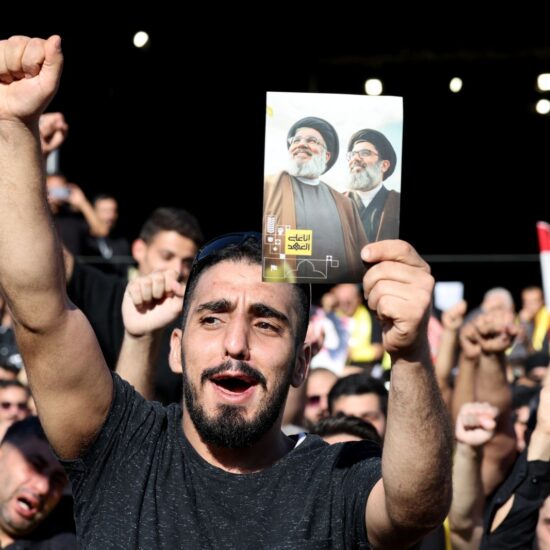
Hezbollah set for another wave of warfare with Israel: The armed group is preparing for further escalation with Israel, according to news reports. Hezbollah is reportedly rebuilding its military capabilities including FPV drones while also redeploying towards the so-called “yellow line” in South Lebanon, which has been occupied by Israel.
In the Region
Saudi airport hit four times last week: The Houthis have carried out a range of attacks on Riyadh’s King Khalid International Airport last week. Saturday was the most deadly day so far — 12 people were killed and more than 300 people were wounded. The Houthis claimed responsibility for Saturday’s attack. Another Houthi attack on Sunday killed one person and wounded 11 others. On Monday, the airport was closed for 24 hours.
Trump considers aiding Saudis amid Houthi attacks: On Sunday, U.S. President Donald Trump said his administration was considering joining Saudi Arabia in retaliating against the most recent Houthi attacks. “We may. We’re going to look at it,” he said after reporters asked him whether Washington would support Saudi strikes. According to news reports, Riyadh was requesting “urgent defense support” from the U.S.
U.S.-Iran negotiations stall: Iran’s Mohsen Rezaei, who is the Secretary of the country’s Supreme National Security Council, said on Sunday that the U.S. response to Iran’s seven conditions was not sufficient. “The Americans have now responded. While they have accepted some of our conditions, others remain unresolved,” he said. Washington must clarify its position on the remaining points of contention and Tehran would want to generate economic benefit from the Strait of Hormuz, he added.
What We’re Reading
October 8 and the Argument That Can Never Be Tested. Khalil Gebara argues that it is impossible to know whether Israel would have attacked Lebanon if Hezbollah had not struck Israel on October 8, 2023. By becoming a party to the conflict, Hezbollah gave Israel a reason to retaliate, he says.
Wait, Israel… Do You Know What You Are Doing? Ibrahim Rihan analyzes Israel’s strategy of establishing so-called buffer zones in Gaza, Lebanon and Syria. He argues that this might create short-term security but will eventually backfire, as displaced citizens will feel resentment over occupation and displacement.
Zajal: Can We Read Lebanese History Through Its Vernacular Poetry? Charles H. Al-Hayek looks at the Lebanese zajal, which is a traditional sung form of poetry. He argues that this art form is more than entertainment but also depicts part of Lebanese history — and therefore is worth studying.
October 8’s Culture of Censorship. Mohammad El Sahily argues that Hezbollah’s decision to attack Israel after the Hamas attack caused a degree of censorship in Lebanon. Those who opposed the decision to go to war were sidelined by Hezbollah as Israel supporters, he argues.
Morocco’s first female Prime Minister. Laura Hülsemann talks to two women’s rights experts about Morocco’s election of the country’s first female leader and what it means for the country and the wider region.