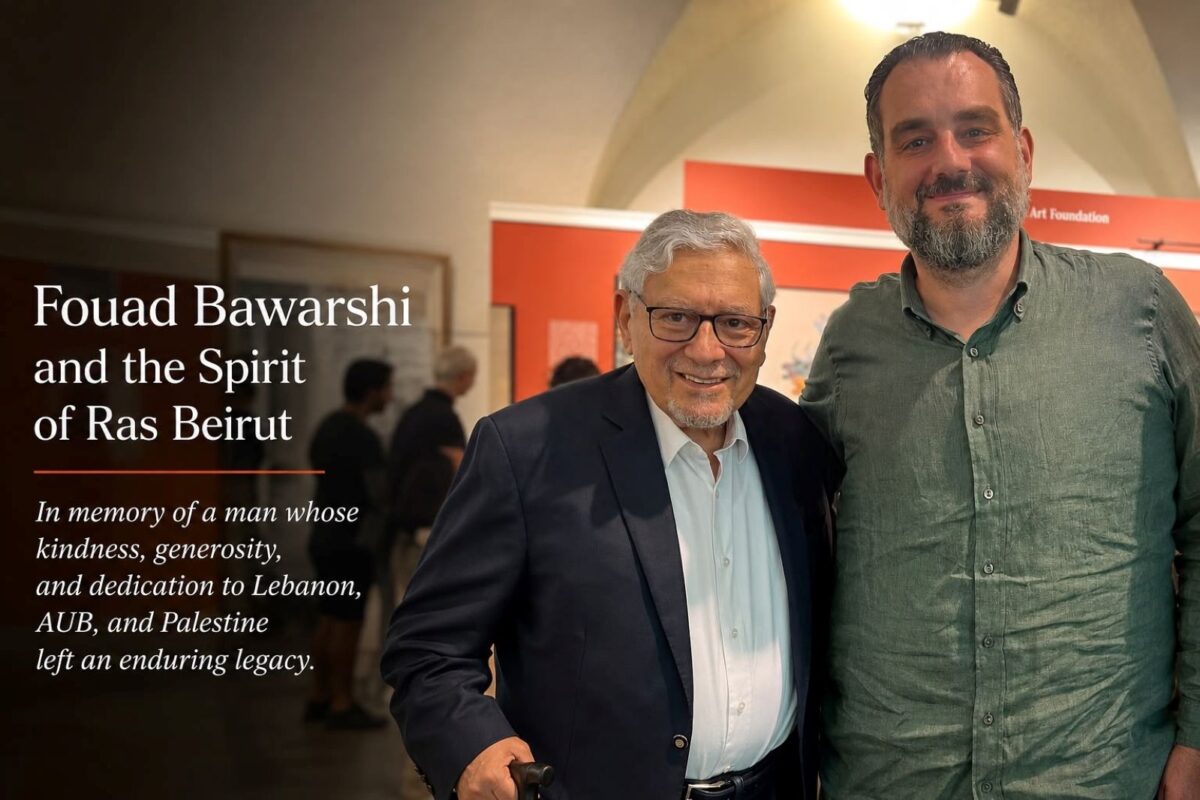
There are people whose reputation precedes them, not because of power or wealth, but because of the kindness they leave behind. Fouad Bawarshi was one of those rare individuals.
Long before I had the privilege of meeting him, I had already come to admire him. The first time I heard his name was from my late mentor, Kamal Salibi, while I was researching the history of the AUB student movement. Fouad, one of the earliest presidents of the AUB Student Council, was remembered by Salibi not merely as a student leader, but as a genuinely good man. He spoke of him with warmth and affection, and when I eventually met Fouad years later, I discovered that those words had not been exaggerated in the slightest.
Fouad embodied the values that have long defined the finest traditions of the American University of Beirut and of Ras Beirut itself: generosity, intellectual curiosity, civic engagement, and an unwavering commitment to the common good. He was deeply rooted in Lebanon, profoundly attached to Ras Beirut and AUB, while never forgetting his Palestinian origins, which remained an essential part of his identity and moral compass.
Together with his wife and family, he built one of Lebanon’s most respected shipping and freight companies. Yet those who knew him will remember him less for his professional success than for his humanity. He possessed the rare gift of making friends wherever he went, earning admiration not through status but through decency, humility, and sincerity.
Over the years, I had the pleasure of seeing him regularly at lectures, book launches, and cultural gatherings throughout Ras Beirut. His presence was reassuring, his conversations thoughtful, and his interest in Lebanon and the wider region never diminished.
With Fouad’s passing, Lebanon, Ras Beirut, and AUB lose one of their finest sons. Yet while we mourn the man, we also celebrate a life lived with dignity, generosity, and quiet purpose. His legacy will endure in the family he cherished, the institutions he strengthened, the friendships he cultivated, and the countless lives he touched.
May his memory remain a blessing to all who had the privilege of knowing him.
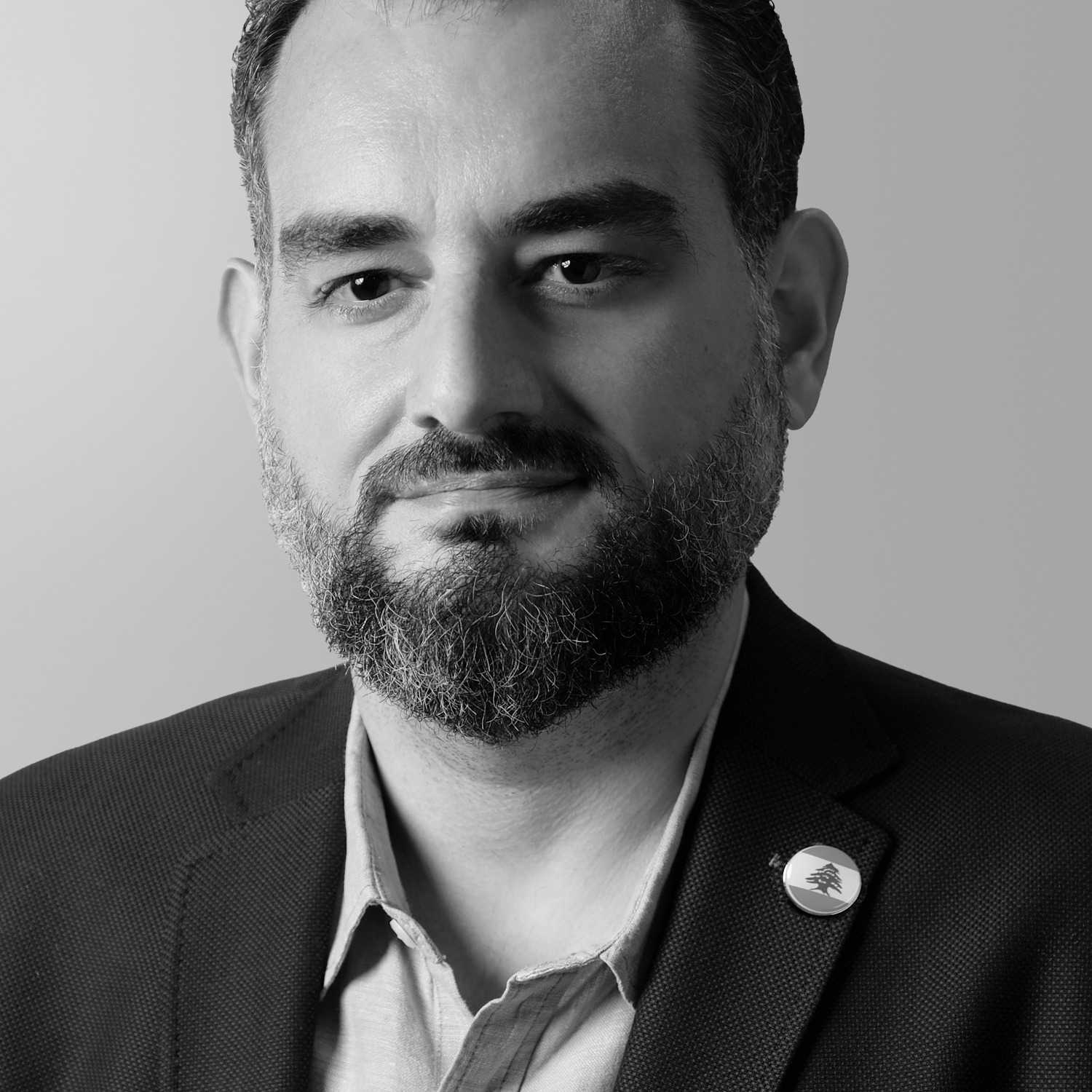
Makram Rabah is a lecturer at the American University of Beirut, Department of History. His forthcoming book Conflict on Mount Lebanon: The Druze, the Maronites and Collective Memory (Edinburgh University Press) covers collective identities and the Lebanese Civil War.