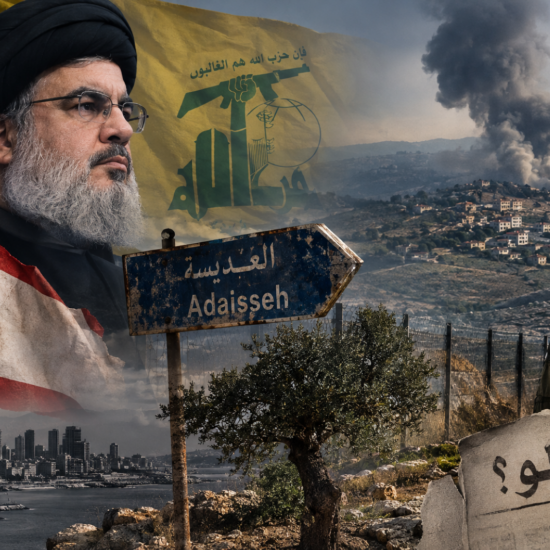
AI GENERATED IMAGE
For two decades, Lebanon has lived between ceasefires rather than peace.
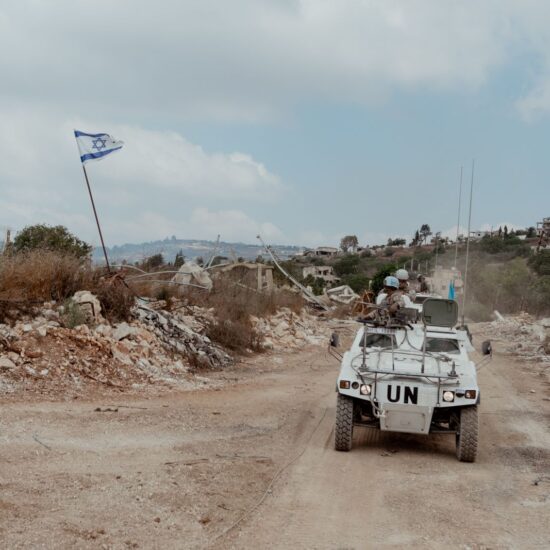
The July War officially ended in August 2006 with the adoption of UN Security Council Resolution 1701, which called for a cessation of hostilities, the deployment of the Lebanese Army alongside the United Nations Interim Force in Lebanon (UNIFIL) in the south, and a long-term solution aimed at preventing renewed conflict. For many Lebanese, it was supposed to mark the beginning of a more stable era.
Instead, the country has endured repeated confrontations with Israel while the fundamental questions raised by the war remain unanswered. The debate over Hezbollah’s weapons, the state’s monopoly over the decision of war and peace, and Lebanon’s place within wider regional conflicts continues to shape the country’s political landscape twenty years later.
The years following the war brought reconstruction and a fragile calm.
Southern villages devastated during the fighting were rebuilt with international support, roads and bridges reopened, and many believed Lebanon had entered a period in which another full-scale war could be avoided.
That optimism proved short-lived.
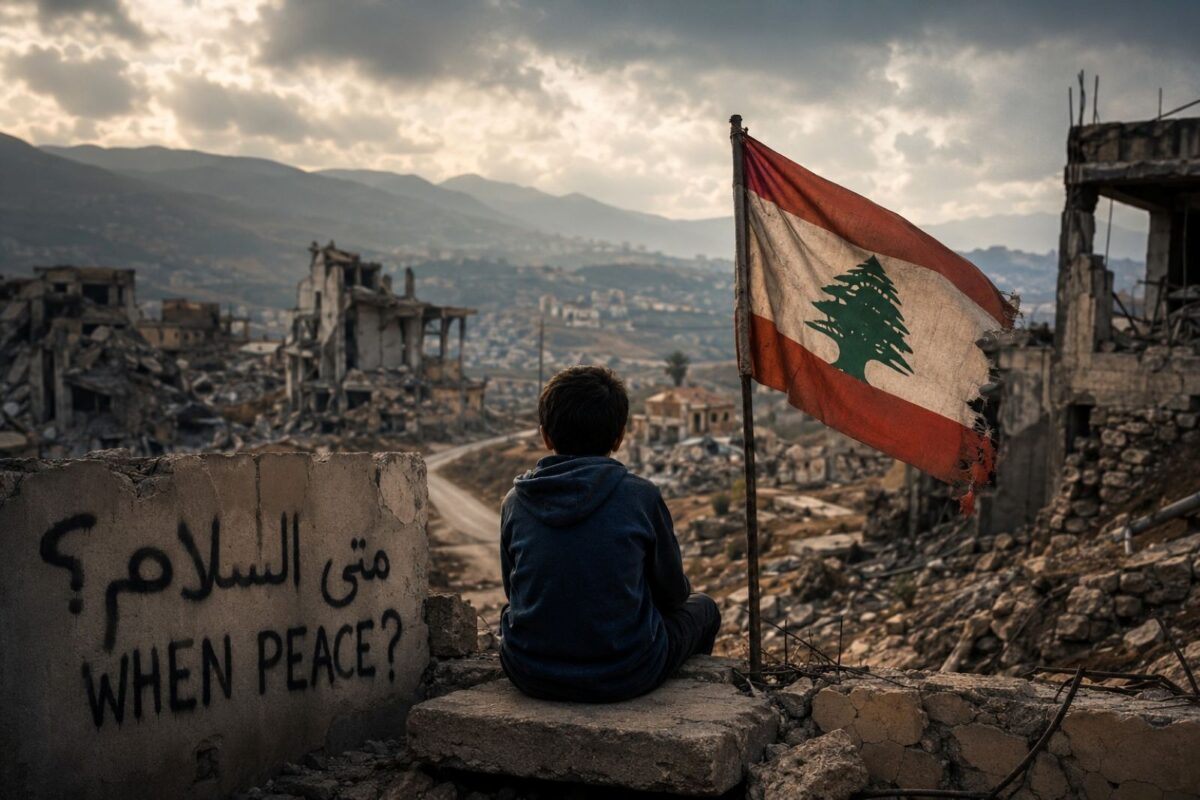
The border gradually returned to being one of the region’s most volatile flashpoints, culminating in successive conflicts that have left southern Lebanon once again scarred by displacement and destruction while reshaping the regional balance of power.
According to Lebanese journalist and political analyst Mayssaa Abdelkhalek, the wars that followed have fundamentally altered both the military and political landscape.
“The recent wars have been even harsher on Lebanon than the July War,” she told NOW. “Israel’s military capabilities have evolved significantly through advanced drones, surveillance technology and more sophisticated weaponry. Entire villages have been almost completely destroyed.”
She argues that what has changed even more dramatically is the political context surrounding the conflict.
“In 2006, despite internal disagreements, there was broader Arab political cover surrounding the war,” she said. “Today, the debate has shifted. The priority for much of the international community has become Hezbollah’s weapons, while many Lebanese political forces openly hold Hezbollah responsible for entering wars in support of Gaza and later Iran, arguing that Lebanon has paid the price for regional conflicts that were not solely about Lebanon.”
That debate reflects a broader transformation inside Lebanon itself.
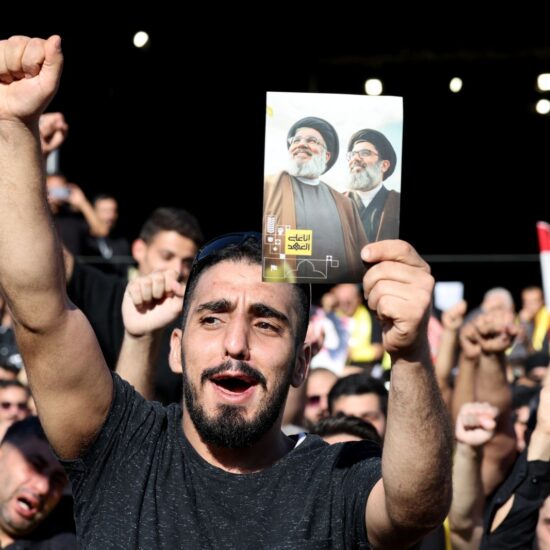
While Hezbollah continues to insist that its military capabilities are necessary to deter Israeli aggression, critics increasingly argue that the country’s inability to place decisions of war and peace exclusively under state authority has prevented any lasting stability from taking hold.
For Ali Assaf, a Lebanese political activist and outspoken Shiite against Hezbollah, the opportunity to change that trajectory existed long before the July War.
“I believe Lebanon’s biggest missed opportunity came after Israel withdrew from southern Lebanon in 2000,” he told NOW. “There was a real chance to strengthen the Lebanese state and establish the principle that decisions about war and peace should belong to the state alone.”
He also points to the 2002 Arab Peace Initiative as another opportunity that could have redirected Lebanon towards stronger institutions and diplomacy rather than continued military confrontation.
For Ali, however, the consequences of failing to do so extend far beyond politics.
“Every war has left families grieving, forced people from their homes, damaged livelihoods, and pushed many young Lebanese to leave the country in search of a safer future,” he said. “That is the real cost of missing these opportunities.”
Few communities illustrate that cost more clearly than those in southern Lebanon, where many residents have now lived through both the 2006 war and the most recent conflict.
“The cumulative impact has been profound—not only economically, but also socially and psychologically,” Ali said.
While billions of dollars flowed into reconstruction after 2006, giving many residents confidence to rebuild, he says today’s reality is markedly different.
“That level of international assistance is largely absent,” he said. “Many people are understandably reluctant to rebuild homes, businesses or farms when they fear another war could destroy everything again. Rebuilding is no longer just a financial decision, it has become an emotional risk.”
He also believes repeated conflicts have narrowed the space for open debate within parts of the Shiite community.
“People increasingly feel they are expected either to support Hezbollah without questioning its decisions or risk being labelled traitors,” he said. “There is very little room simply to say that you reject war, want stability, and believe Lebanon’s future depends on strengthening the state.”
Still, Ali believes attitudes are gradually evolving beneath the surface.
“Many people continue to publicly support Hezbollah, but privately I think more are questioning the cost of living through repeated cycles of conflict,” he said. “Those conversations may not always happen openly, but they are happening.”
Mayssaa also believes Lebanon has entered a new phase, arguing that while Israel remains a persistent security threat, the country can no longer afford to approach the conflict through competing national and regional agendas.
“Lebanon cannot continue to become a card in someone else’s regional agenda. Iran’s priority is ultimately its own strategic interests, not Lebanon.”
She argues that the way forward requires a unified national approach centred on state institutions.
“The Lebanese state has made clear that it wants all weapons to fall under its authority in line with the Taif Agreement and Resolution 1701,” Mayssaa said. “The more constructive path would be for Hezbollah to cooperate with the state in finding a mechanism that strengthens Lebanon’s sovereignty while preserving the country’s security.”
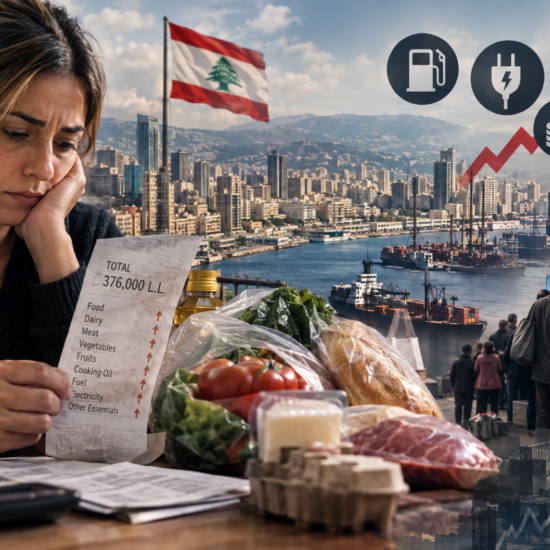
Twenty years after the July War, Lebanon has changed profoundly. Its economy has collapsed, regional alliances have shifted, and the Middle East itself looks vastly different from the one that existed in 2006.
Yet the country’s central dilemma remains remarkably unchanged.
Perhaps the greatest tragedy of the past two decades is not only that Lebanon has endured repeated wars, but that an entire generation has grown up believing another one is always around the corner.