
Borj Rahhâl, Lebanon. Photo by KAWNAT HAJU / AFP
Displaced residents flash the V-sign as they cross the Bourj Rahal bridge on their way to their village in southern Lebanon on June 15, 2026.

The United States and Iran said they reached a deal to end the Middle East war on all fronts including Lebanon, and reopen the vital Strait of Hormuz, but offered little indication on the thorny question of Tehran's nuclear programme. Washington and Islamabad said the agreement was to be signed on June 19 in Switzerland, signalling what would be a major breakthrough to ending months of war that have taken thousands of lives and roiled energy markets.
A breakthrough agreement between Washington and Tehran has raised hopes of a broader regional de-escalation after months of war, but questions remain over whether it can hold. While the deal includes an immediate halt to military operations across all fronts, including Lebanon, Israel continues to signal that its campaign against Hezbollah is far from over. As Beirut prepares for another round of negotiations with Israel, Lebanon finds itself once again at the intersection of regional diplomacy and unresolved conflict.
US-Iran deal raises hope for de-escalation, but Lebanon questions remain: A diplomatic breakthrough between Washington and Tehran has raised hopes of regional de-escalation after months of conflict. The framework agreement, expected to be formally signed in Geneva on June 19, includes a halt to military operations across multiple fronts, the reopening of the Strait of Hormuz, and a 60-day negotiating period covering Iran’s nuclear programme, sanctions relief, and regional security arrangements.
For Lebanon, however, the deal leaves major uncertainties unresolved. Yet even as the agreement was finalized, Israeli strikes continued in southern Lebanon and Beirut’s southern suburbs. Israeli officials have also made clear that they do not view the US-Iran agreement as binding on Israel’s military posture. Prime Minister Benjamin Netanyahu has reportedly informed Washington that Israel will maintain its positions in southern Lebanon, while Defense Minister Israel Katz has vowed to continue operations against Hezbollah and oppose any withdrawal from what Israel considers security zones.
The deal could nevertheless create opportunities for reduced tensions. If Tehran prioritizes sanctions relief and improved relations with the West, it may seek to prevent further escalation by Hezbollah, potentially creating space for humanitarian relief, reconstruction efforts, and renewed diplomatic engagement.
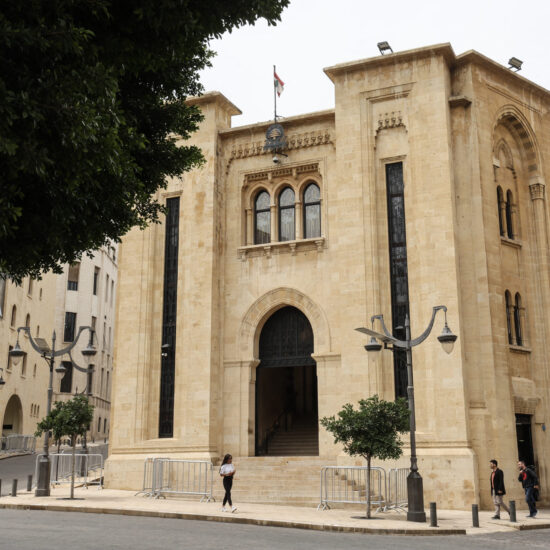
Lebanese leaders have sought to capitalize on that possibility. Prime Minister Nawaf Salam and President Joseph Aoun have renewed calls for diplomacy and stronger state institutions ahead of another round of Lebanon-Israel talks in Washington on June 22. Whether the agreement leads to lasting stability or proves to be only a temporary pause will largely depend on developments on the ground and the willingness of regional actors to translate diplomacy into action.
In Lebanon
Israel rejects withdrawal despite regional agreement: Israeli officials signaled that the U.S.-Iran agreement is unlikely to alter Israel’s military posture in Lebanon. Defense Minister Israel Katz stated that Israel opposes withdrawing from areas it currently occupies in southern Lebanon regardless of diplomatic pressure, while reports indicated Prime Minister Benjamin Netanyahu informed Washington that Israel does not consider itself bound by any arrangement that leaves Hezbollah capable of rebuilding its military capabilities. The statements raise questions about whether any regional de-escalation can translate into meaningful changes on the ground in Lebanon.
Authorities urge caution over returns to the south: Despite growing optimism surrounding the U.S.-Iran agreement, Lebanese authorities urged displaced residents not to rush back to villages near the southern border, warning that security conditions remain unstable. The caution reflects a central contradiction emerging from this week’s developments: while diplomats speak of de-escalation, Israel has repeatedly signaled that it intends to maintain military positions in southern Lebanon and continue operations against Hezbollah if it deems them necessary. For many displaced families, the prospect of return therefore remains tied not to diplomatic announcements, but to realities on the ground.
Lebanese Army withdraws from southern village after Israeli advance: The Lebanese Army reportedly redeployed from a southern border village after Israeli forces advanced into nearby areas, highlighting the fragile security reality on the ground despite diplomatic efforts aimed at de-escalation. The development comes as Israel continues to expand military activity in parts of southern Lebanon while insisting it will retain control of what it describes as security zones.
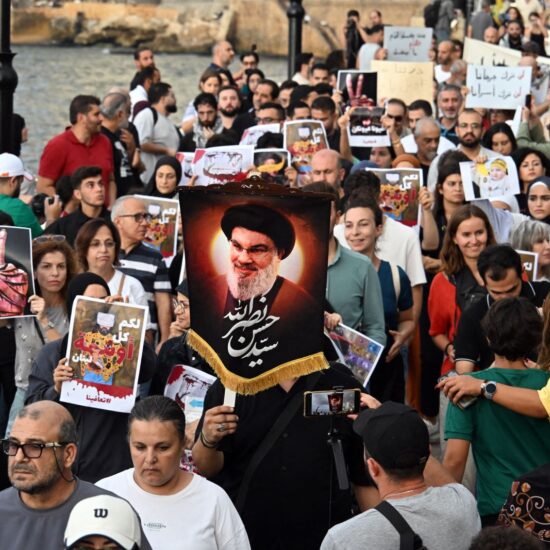
Prime Minister Nawaf Salam renews criticism of Hezbollah and Iranian influence: Prime Minister Nawaf Salam delivered some of his strongest remarks yet regarding Iran’s influence in Lebanon, arguing that Tehran’s grip over Hezbollah has reached unprecedented levels since the killing of Hassan Nasrallah. Salam reiterated that Lebanon’s future should be determined by state institutions rather than regional powers and renewed calls for Hezbollah to support the government’s diplomatic efforts aimed at securing a ceasefire and Israeli withdrawal. His comments reflect growing divisions over how Lebanon should navigate the emerging regional settlement.
Saudi Arabia lifts five-year ban on Lebanese imports: In one of the week’s most significant economic developments, Saudi Arabia lifted restrictions on Lebanese imports after a five-year suspension. The decision marks a notable improvement in relations between Beirut and Gulf capitals and is expected to provide a modest boost to Lebanon’s struggling economy. The move is also being interpreted as part of a broader effort by Arab states to re-engage with Lebanon while supporting state institutions.
UN launches mission to document alleged war crimes in Lebanon: The United Nations High Commissioner for Human Rights announced the deployment of a mission to Lebanon tasked with collecting evidence relating to alleged violations committed during the conflict. The initiative seeks to document potential breaches of international humanitarian law and preserve evidence for future accountability mechanisms as concerns continue to mount over the humanitarian consequences of the war.
In the region
Questions persist as U.S.-Iran deal moves toward signing: While Washington and Tehran have hailed their agreement as a major diplomatic breakthrough, key aspects remain unresolved ahead of the planned signing ceremony in Geneva. Negotiators still face difficult discussions over sanctions relief, Iran’s nuclear programme, verification mechanisms, and implementation timelines. The agreement may have halted immediate escalation, but whether it evolves into a lasting settlement or merely a temporary pause remains one of the central questions facing the region.
Regional markets welcome diplomatic breakthrough: Financial markets across the Gulf reacted positively to news of the agreement, reflecting hopes that a reduction in tensions could improve economic stability after months of uncertainty. The response highlighted how closely regional economies have become tied to developments in the conflict, with investors viewing diplomacy as a potential source of stability after a prolonged period of military escalation and energy market volatility.
Oil prices fall as Hormuz fears ease: Energy markets responded swiftly to announcements that the Strait of Hormuz could soon reopen under the terms of the agreement. Oil prices fell as traders reassessed the risk of supply disruptions through one of the world’s most important maritime corridors. The decline underscored the global economic significance of the agreement, with developments in the Gulf continuing to shape energy prices far beyond the region itself.
Syria rules out military intervention in Lebanon:Syrian President Ahmed al-Sharaa dismissed speculation that Damascus could become directly involved in the conflict in Lebanon, stressing that Syria’s priority remains domestic stabilization and reconstruction after more than a decade of war. His remarks come amid growing regional uncertainty over the future of the Israel-Hezbollah confrontation and the broader implications of the emerging U.S.-Iran agreement. Damascus has sought to distance itself from any direct military role while focusing on rebuilding state institutions and consolidating security at home.
Strait of Hormuz reopening eases economic concerns: Global markets responded positively to news that the Strait of Hormuz is expected to reopen fully following the formal signing of the agreement. President Donald Trump announced that restrictions on maritime traffic would be lifted and that the U.S. naval blockade imposed during the conflict would end. Oil prices fell in response to expectations that energy exports and international shipping routes would return to normal, easing fears of prolonged disruptions to global energy supplies and trade.
Qatar and Pakistan praised for mediation efforts: Regional and international leaders commended Qatar and Pakistan for their roles in facilitating negotiations between Washington and Tehran. Pakistani Prime Minister Shehbaz Sharif described the agreement as the result of intensive diplomatic engagement, while Qatari officials welcomed the breakthrough and pledged continued support for future negotiations. Both countries are expected to remain closely involved during the next phase of talks, helping oversee implementation and maintain communication channels between the two sides as discussions move forward.
What we’re reading
Duty and the Feast
Against the backdrop of war and economic collapse, this article by Eli Khoury explores the striking contrast between Lebanon’s culture of celebration and the hardships endured by much of its population. It examines how displays of luxury and social life continue in certain circles while many Lebanese struggle with displacement, insecurity, and financial hardship. The piece raises broader questions about resilience, denial, social fragmentation, and the ways societies cope with prolonged crisis.
A Voice from Jabal Amel
Drawing on the history and identity of South Lebanon, this article by Charles Al Hayek on the perspectives of communities that have long lived at the centre of conflict. It examines how residents of Jabal Amel view the current war, the costs borne by local communities, and the growing debate over political representation, resistance, and the future of the region. The piece offers a personal and historical perspective on a part of Lebanon often discussed through military and geopolitical lenses.
Realism vs Resistance: The Emerging Divide Between Amal and Hezbollah
This analysis by George Haddad examines signs of an increasingly visible divergence between Amal and Hezbollah as Lebanon navigates the aftermath of war. While the two Shiite movements remain strategic allies, the article argues that differences are emerging over priorities, political strategy, and the costs of continued confrontation. It explores how shifting regional dynamics, public sentiment, and state-building efforts may be reshaping the balance within Lebanon’s Shiite political landscape.
Scapegoating Education: Exams Do Not Kill, Wars Do
Focusing on Lebanon’s ongoing debate over official examinations, this article by Hadi Damien challenges attempts to blame educational institutions for broader social and psychological pressures facing students. Instead, it argues that the disruption caused by conflict, displacement, economic collapse, and political instability is the real source of hardship. The piece calls for addressing the structural consequences of war rather than targeting educational processes that continue to provide a sense of normalcy.
Israel’s Drive to Beirut Is No Longer a Threat. It Is a Plan.
This article by Makram Rabah, NOW’s managing editor argues that Israeli military activity in Lebanon should no longer be viewed as limited deterrence but as part of a broader strategic vision. Examining recent military advances, political statements, and evolving Israeli doctrine, it contends that the prospect of deeper Israeli operations inside Lebanon has become increasingly plausible. The piece explores the implications for Lebanese sovereignty, Hezbollah, and the country’s political leadership as diplomatic efforts struggle to keep pace with developments on the ground.